What a surface tells you—and what it doesn't
Appearance is a starting point, not a material specification. Separate the finish from what lies underneath before planning a change.
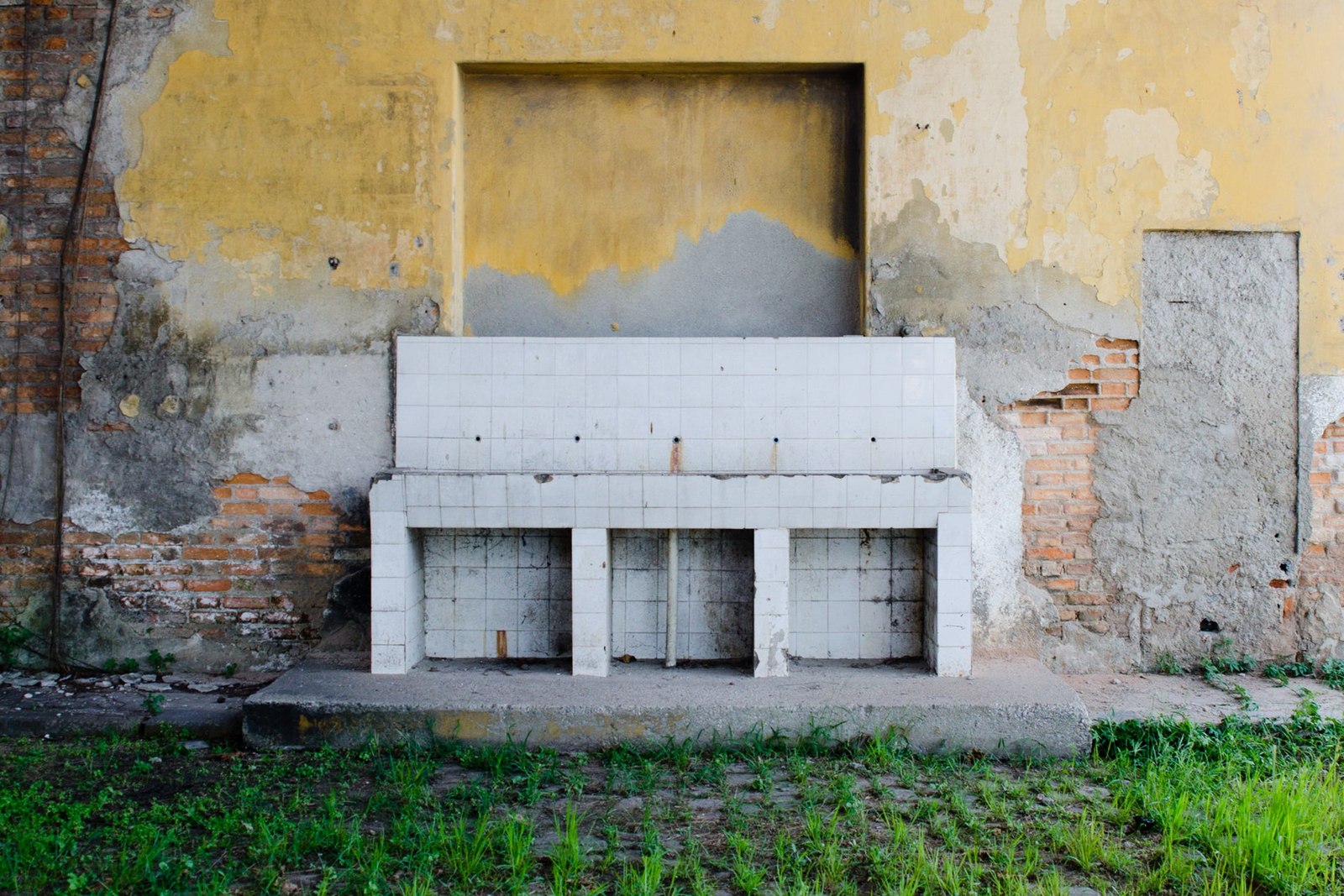
A surface can be persuasive. It can suggest timber, stone, metal or plaster before you have read a specification. Sometimes that suggestion is accurate; sometimes it belongs to a coating, a veneer or a printed layer. Neither situation is automatically a problem. The difficulty begins when a decision about cleaning, alteration or replacement is based on an appearance that has been mistaken for a complete material description.
Before changing a finish, make a distinction between what you see, what you know and what you still need to establish. This simple separation can prevent an attractive decorating proposal from becoming a collection of unsupported assumptions. It also makes it easier to ask a supplier or qualified specialist the right question.
Describe the visible surface first
Use words that stay close to observation. The finish looks glossy from the doorway; a pattern repeats across several panels; the visible edge has a different colour from the face. These descriptions are more reliable than identifying a material from a distant photograph. They can be recorded without scratching, lifting or otherwise interfering with the surface.
Look for information that can be checked without disturbance: an available product label, an installation record, a maintenance document or a specification supplied by the owner. If the room is not yours, respect that boundary. An observation exercise is not permission to inspect hidden edges or test a finish with a tool.
Follow the description beyond the product name
Marketing language often compresses several decisions into one attractive phrase. A product described with a material name may still have a particular construction, surface treatment, backing and installation method. Ask for the actual specification and intended application. Those details are relevant to what the product can reasonably be asked to do.
For an existing surface, keep uncertainty visible. If you have not established the construction, write unknown rather than filling the gap with the most plausible explanation. A professional can use a clear record of what is and is not known. A confident but incorrect identification can send the whole discussion in an unhelpful direction.
Match the question to the proposed action
Different actions require different knowledge. Choosing a loose rug asks one set of questions. Applying a new coating, removing an old finish or attaching something to a wall asks another. Identify what you are proposing before searching for a universal answer about the material. The least disruptive action may be enough to achieve the visual change you want.
If a proposal involves old coatings, unfamiliar construction or potential hazardous materials, do not treat a small do-it-yourself test as an innocuous first step. Seek the appropriate guidance before disturbance. This is a practical limit on the exercise: noticing a surface and altering it are separate activities, with different responsibilities.
Include the process in an interior brief
A new finish does not arrive as a finished photograph. It may involve preparation, adhesives, coatings, drying periods and cleaning instructions. Ask about the entire specified process, including how the room will be used during and after the work. A colour choice alone cannot answer those questions.
The Environmental Protection Agency's overview of volatile organic compounds and indoor air quality identifies a range of household products, including paints and related materials, as relevant to indoor air considerations. That is useful background for reading instructions and asking about ventilation and application conditions. It is not a basis for inferring a particular product's emissions from its smell, price or visual appearance.
Keep a small surface record
Once the material and finish are established, save the reliable details: product name, supplier, finish, care information and the source of that information. If the item is existing, distinguish confirmed facts from a working description. Photographs can show the location and present appearance, but they should sit alongside the written record rather than replace it.
This record does not need to become an elaborate inventory of the whole house. Start with the surface you are actually planning to change. Understanding that one assembly can lead to a more modest and better-targeted decision. You may still choose a dramatic new finish, but you will be choosing it for what it is, not for what its first impression happened to suggest.
Sources & further reading
-
Volatile Organic Compounds' Impact on Indoor Air Quality | US EPA
↗
Background on volatile organic compounds and products used indoors; appearance alone does not establish product composition or emissions.