A reading place without a spare room
Quiet can mean less noise, fewer interruptions or a calmer view. Find the change your reading hour actually needs.
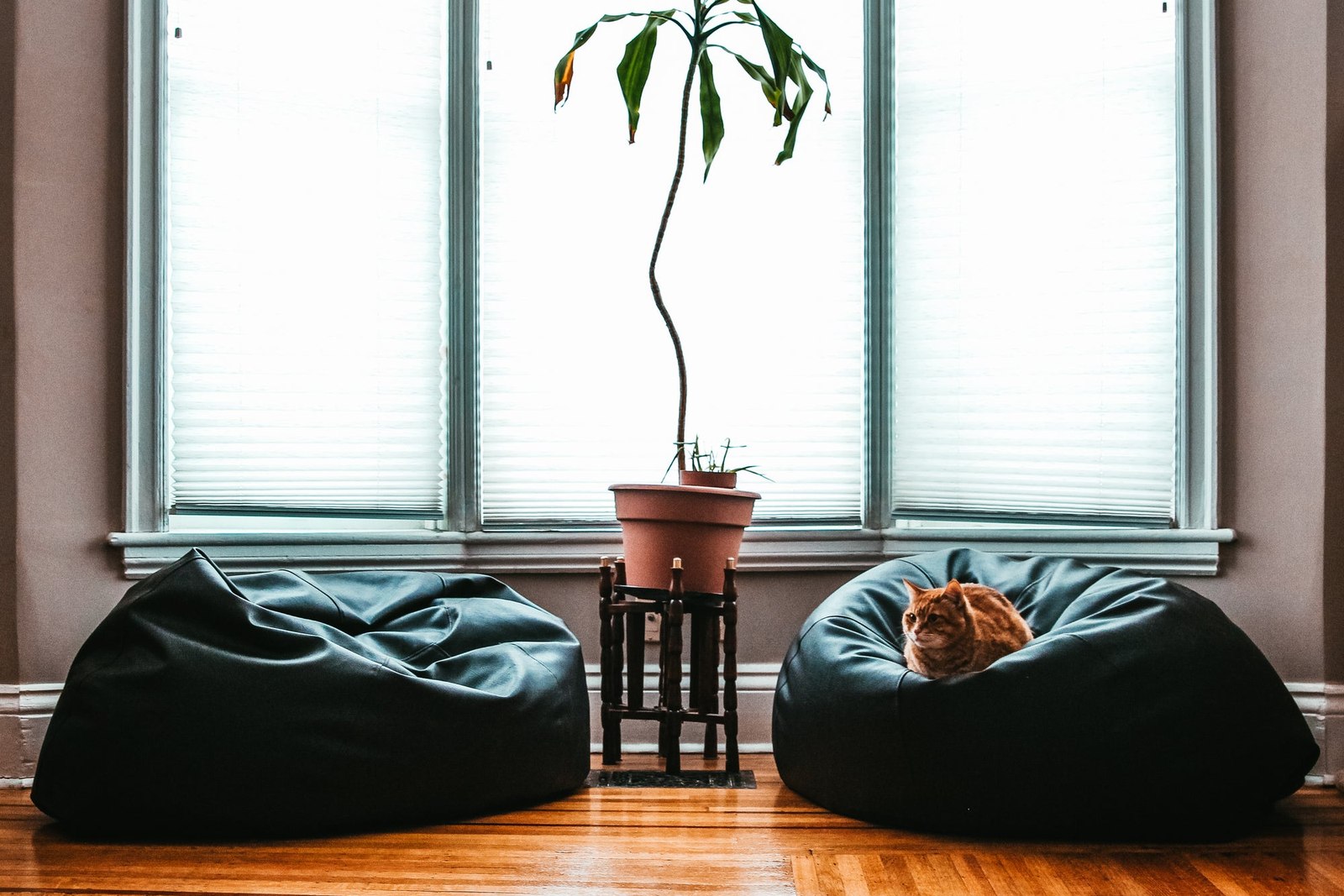
A reading place does not have to be a room with a door. It can be a chair that becomes available after dinner or a part of a shared room arranged for a particular hour. The challenge is to understand what quiet means in that setting. Less sound, fewer interruptions and a calmer view are related, but they are not the same problem.
Start with the reading you actually want to do. A few pages of a novel, a demanding document and reading aloud with someone else ask for different conditions. Choose one recurring situation rather than trying to design a universal retreat. A modest arrangement can work well when its purpose is clear.
Separate three kinds of disturbance
Sound is the audible activity around you. Interruption is the moment someone or something asks for your attention. Visual busyness is what enters your field of view. A room can be quiet in the first sense and demanding in the other two. Buying something described as cosy will not necessarily address any of them.
Make three columns and record what happens during a typical reading period. You may discover that the main difficulty is a view of the television rather than its volume, or repeated questions rather than continuous background sound. Describe the disturbance specifically enough that you can try a change aimed at it.
Choose a time as well as a position
Shared rooms change through the day. A useful chair at one hour may sit directly beside a busy route at another. Note when the desired reading period coincides with cooking, arrivals or another person's work. Sometimes changing the time slightly is more practical than attempting to screen the whole room.
Agree a realistic period with the people sharing the space. This need not become a formal household rule. A clear request to read without interruption for a short time can address something that no cushion or lamp will solve. Leave room for urgent needs and make the arrangement reciprocal rather than claiming permanent priority over a shared room.
Turn the chair before enclosing it
Try changing the chair's direction while keeping routes clear. Facing away from a screen or a work surface may reduce visual distraction without adding a partition. Check what the new view contains and whether the reading light still reaches the page comfortably. The position should also allow an easy way to sit down and stand up.
A screen or shelving unit introduces further questions about stability, light and circulation. Do not add one simply because enclosed corners look appealing in pictures. Any tall furniture needs appropriate installation, and no arrangement should block exits or necessary access. Start with the smallest reversible change that addresses the disturbance you recorded.
Work with light at the page
Observe the page rather than judging the room's brightness from the doorway. Is there a reflection on glossy paper, a strong difference between page and surroundings, or a shadow cast by your own position? Try adjusting the light or chair within the limits of the fitting and the available safe power supply.
Check during the intended reading hour. A position that works in daylight may need a different arrangement later. Comfort is individual, so treat your observations as feedback rather than a lighting specification for everyone. Persistent difficulties with reading or vision call for appropriate advice beyond changing the room.
Avoid promises about softness
Rugs, curtains and upholstered furniture alter the surfaces around a reader, but their appearance does not establish a measured acoustic outcome. The effect of a particular change depends on the room and the kind of sound involved. Do not assume a softer looking corner will prevent speech, traffic or impact noise from reaching it.
If sound is the main concern, identify its source and whether a practical change is available: choosing another time, moving farther from an activity or agreeing a quieter period. Building related noise problems may need a more specific assessment. Keep decorative preferences separate from claims about sound reduction that have not been tested.
After several attempts, review the three columns. Has the main interruption reduced? Is the page comfortable to see? Does the arrangement leave the shared room usable for others? The best result may be an ordinary chair with a better direction and an understood hour. A reading place becomes useful through the conditions it offers, even when it leaves almost no permanent mark on the room.