One table, several lives
Work, meals and unfinished projects can share a surface when each has a way to hand the space to the next.
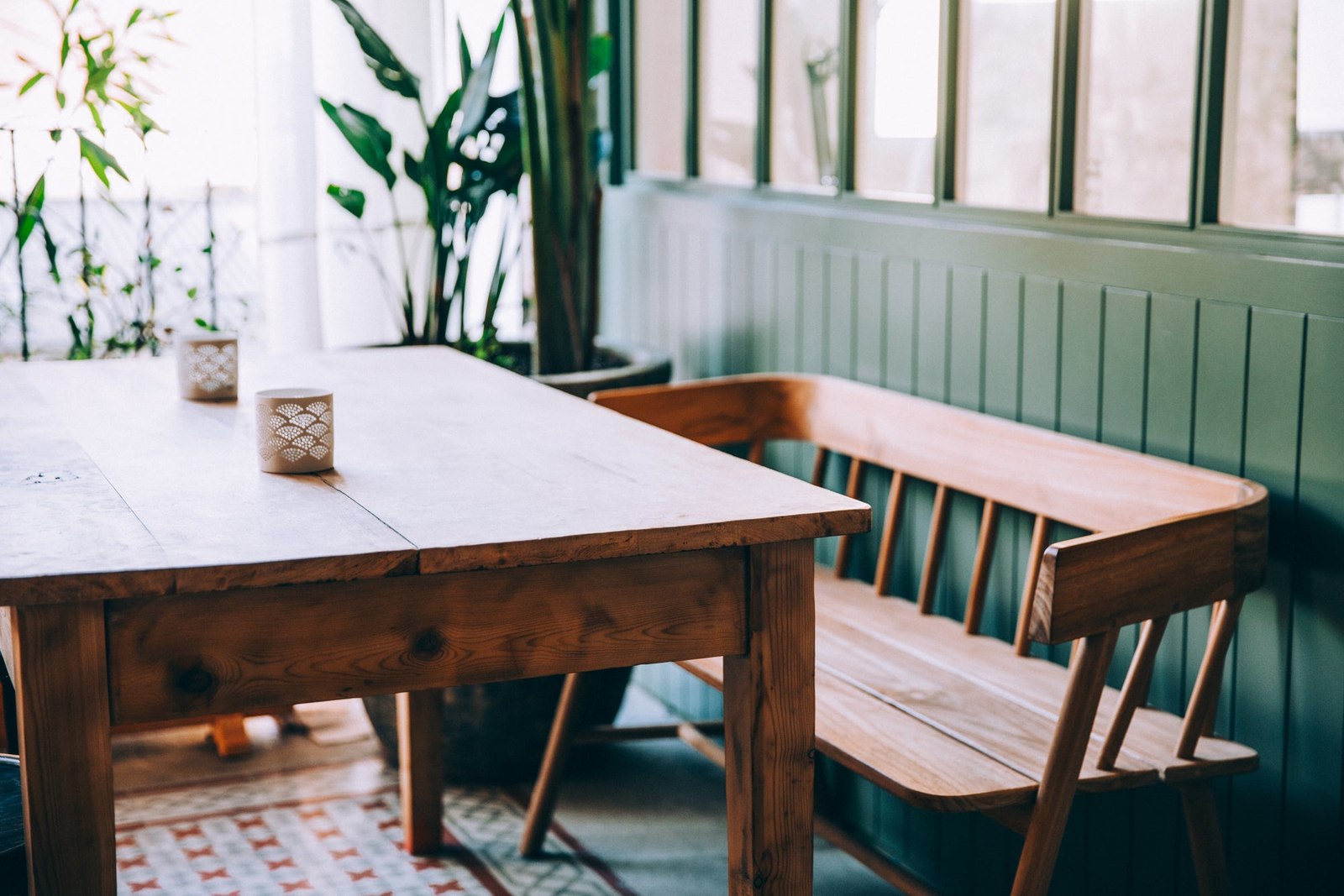
A shared table can be the most adaptable object in a home and the most contested. Breakfast, paperwork, drawing and dinner all ask something different of the same surface. The difficulty is often described as clutter, but the deeper issue is transition: how one activity finishes well enough for another to begin without erasing work that still matters.
Before replacing the table with something larger, look at the changes of use around it. A bigger surface can hold more unfinished activities, which may postpone rather than resolve the conflict. Understanding what must stay, what can move and how long a reset takes is a more useful starting point.
Give each activity a footprint
List the main uses and the objects each needs. A laptop requires more than its own outline if papers and a drink sit beside it. A drawing project may need drying space after the drawing stops. A meal involves chairs being pulled out and dishes arriving from elsewhere. Include these surrounding actions, not only the objects visible on the tabletop.
Sketch the footprint for each use separately. Then compare them. Some may coexist at opposite ends, while others genuinely need the whole surface. Do not pretend that dividing the table into permanent territories solves an activity that regularly crosses the boundary. The sketch is there to identify that conflict before it becomes a daily negotiation.
Distinguish a pause from an ending
An unfinished puzzle, a half written letter and a completed meal have different relationships to clearing away. The meal can usually end; the others may need to pause. A good reset preserves enough information that returning to the activity is straightforward. Otherwise, clearing the table imposes a hidden cost on whoever must reconstruct the work later.
For suitable small projects, a stable tray or dedicated folder may hold the current arrangement. Check that it can be safely lifted and stored, and keep it away from heat, moisture and children where appropriate. This is not a universal storage trick. The container should match the project rather than becoming another object the table has to accommodate.
Put the temporary destination nearby
If clearing requires several trips to a distant cupboard, it is easy to see why objects remain. Look for a sensible nearby destination that does not obstruct circulation or overload a shelf. A place that can receive the paused activity is part of the table's working area, even though it is not attached to the table itself.
Label that destination by purpose rather than by person where this helps the household: current paperwork, drawing materials or projects in progress. Agree what belongs there and when it is reviewed. Storage that has no boundary can silently become an archive, leaving no room for the next temporary move.
Make the changeover explicit
Consider a hypothetical evening when one person is working until six and another wants to prepare a meal at half past. The real design question is how the work moves between those times. A shared expectation about the changeover may help more than an extra shelf. Ask what each person needs to finish, pause or protect.
Avoid turning the arrangement into a rigid timetable if the household does not live that way. A simple signal can be enough: the table will be needed soon, or this project needs a place until tomorrow. The point is to make the transition visible before it becomes urgent, not to supervise every object.
Let the surrounding room support the table
Lighting, power leads and chair positions can either support multiple uses or tie the table to one. A portable task light may suit paperwork but need another home at dinner. Leads should be managed without creating trip hazards or compromising electrical safety. Keep access to doors and storage in view when chairs are occupied.
Surface care matters too. Follow the table's care instructions and use appropriate protection for the activity. A dining surface does not automatically tolerate cutting, hot tools or art materials. Adaptability is a relationship between the object's limits and the way people use it, rather than a promise that it can accept anything.
Try one change for a normal week: a project destination, a clearer changeover or a more realistic footprint. Judge it by whether the next activity can begin with less friction while the previous one remains respected. A shared table works best when its many lives have a way to hand the space to one another.