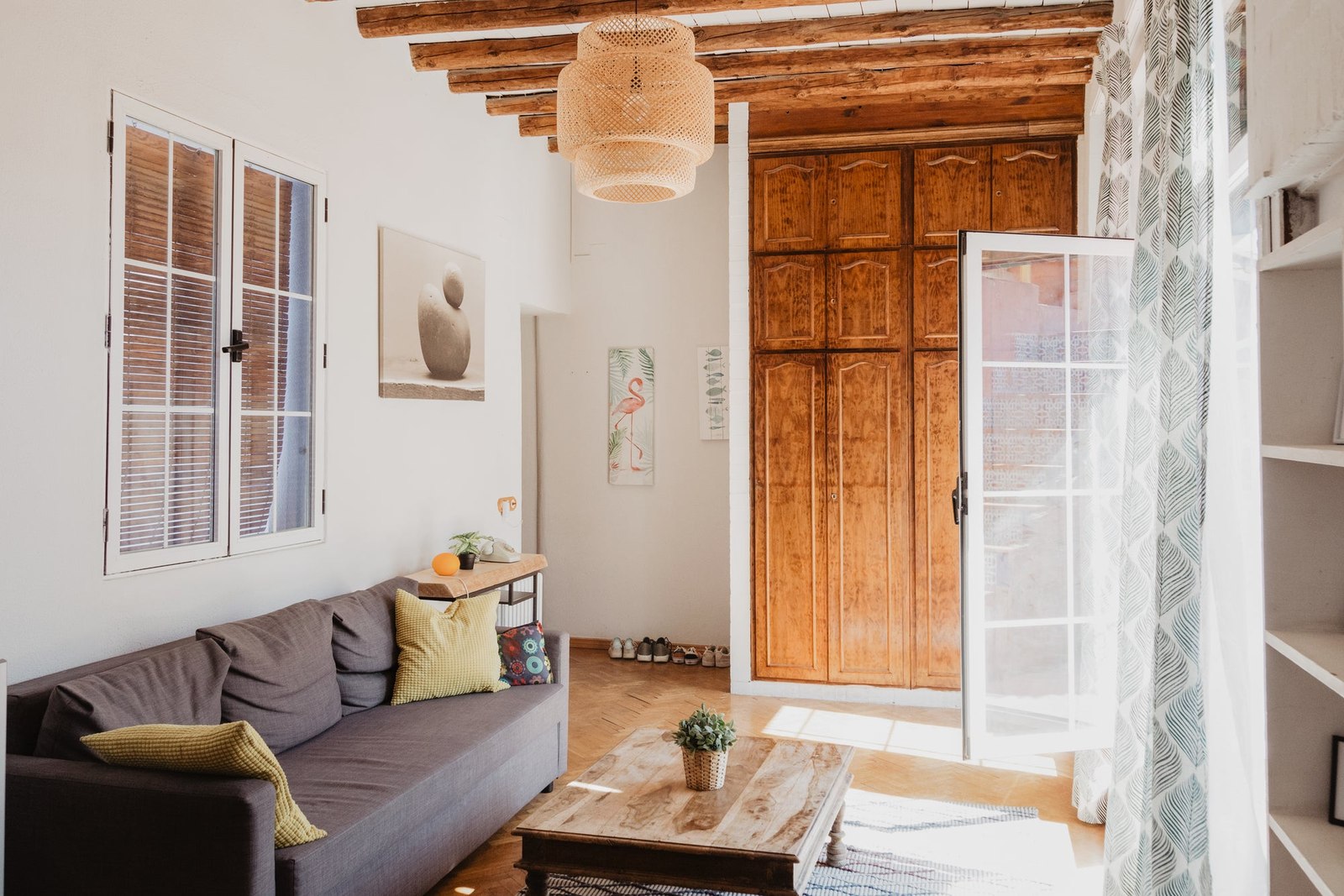
The room next door has light to share
An opening between rooms changes more than brightness. Consider the views, privacy and neighbouring space that come with it.
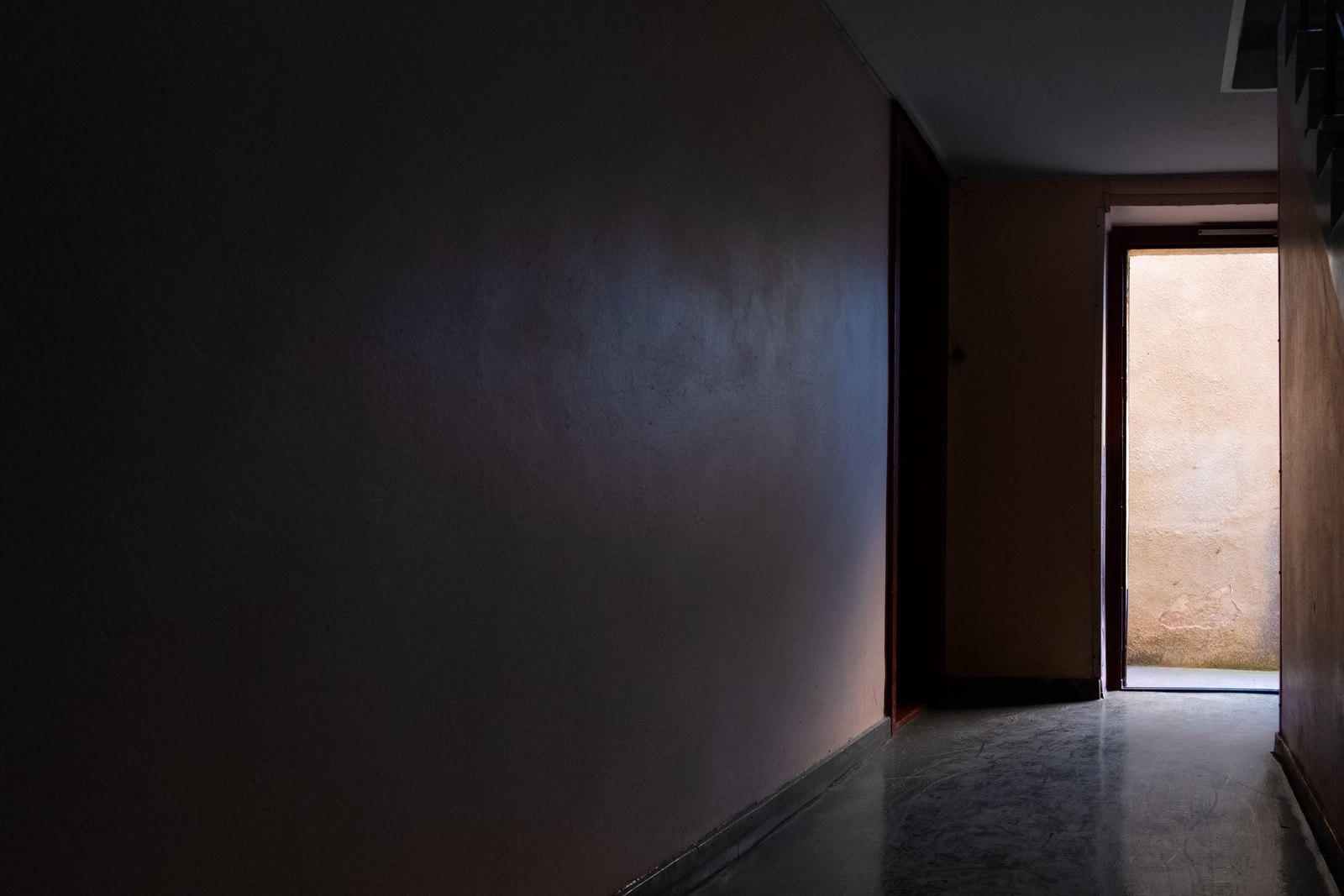
Some rooms receive daylight indirectly. Light reaches them through an adjacent space, an open doorway or a glazed internal partition. It is tempting to describe the answer as simple openness: remove a boundary and the interior will become better. But a boundary does more than interrupt light. It may provide privacy, a place for furniture, a change in sound or a useful distinction between activities.
Thinking about borrowed light therefore begins with a negotiation. What does the darker space need, and what would the neighbouring space have to give up? The best question is rarely whether two rooms should become one. It is what kind of connection would help them work together without making either room less useful.
Start with the room receiving the light
Describe the interior room's actual purpose. A passage used briefly between other rooms has a different brief from a workspace occupied for much of the day. A sitting area might benefit from a view towards a brighter room without needing the same light conditions as a table where someone reads small print. Naming the activity prevents a vague preference for brightness from turning into an unnecessary building proposal.
Next, consider where the borrowed light could be seen from. An opening may be visible while standing at the entrance yet disappear behind a tall cupboard when seated. A glazed panel may connect two ceilings but contribute little to the view from a chair. Draw a simple section or take notes from normal eye positions. This is a way of identifying questions, not predicting a lighting result from a sketch alone.
Separate light, view and passage
An opening can transmit light without providing a clear view. It can provide a view without becoming a route. It can connect two activities visually while keeping their circulation separate. These are different design choices, and it helps to discuss them individually rather than bundling them into the word open.
Imagine a room beside a hallway. A fully open doorway allows movement and views in both directions. A glazed internal door could preserve a physical boundary while keeping some visual connection. A high-level glazed opening might offer less direct visibility between occupants. Each arrangement changes more than brightness, and none can be judged solely by how generous it looks in an empty photograph.
The neighbouring room has a brief too
Borrowing light is also borrowing part of another room's attention. If a desk faces through an opening into a shared kitchen, movement in that kitchen becomes part of the desk's visual environment. If a new connection removes the only quiet wall behind a sofa, the apparent improvement in openness may make the furniture arrangement more difficult.
Write down what the adjacent space needs to retain. A clear wall for storage, a degree of acoustic separation, a route that does not cross a work area, or a view that does not expose a private activity may all matter. A useful proposal acknowledges those requirements early. Otherwise the light-giving room becomes an invisible cost in a decision made entirely for its neighbour.
Test the relationship with what already exists
Before discussing alterations, observe the room with its existing door open and closed at several relevant times. Move an ordinary item that blocks a possible view, if it is safe and practical to do so. Ask whether a change in furniture height or location makes the connection easier to use. These experiments will not reproduce a proposed new window, but they can reveal whether your real concern is brightness, visibility or a blocked route.
Record the conditions that improved and the conditions that became less comfortable. Perhaps the space felt more connected but less private. Perhaps the distant window made the room easier to orient yourself within, even though it still needed task lighting. Such findings produce a more useful brief than a general request to bring in more light.
Treat a new opening as a building question
Changes to walls, doors and glazed partitions can involve structure, fire separation, ventilation, permission and other requirements. A visual preference does not settle those matters. Once you have established the relationship you want, discuss feasible options with the appropriate qualified people rather than interpreting an inspiration image as a construction instruction.
There is value in keeping the ambition precise. You may want a glimpse of another room's window, an opening that helps a passage feel less enclosed, or a way to share daylight without sharing every view. Borrowed light works best as part of a considered relationship between spaces. The goal is not maximum openness. It is a connection that both rooms can live with.