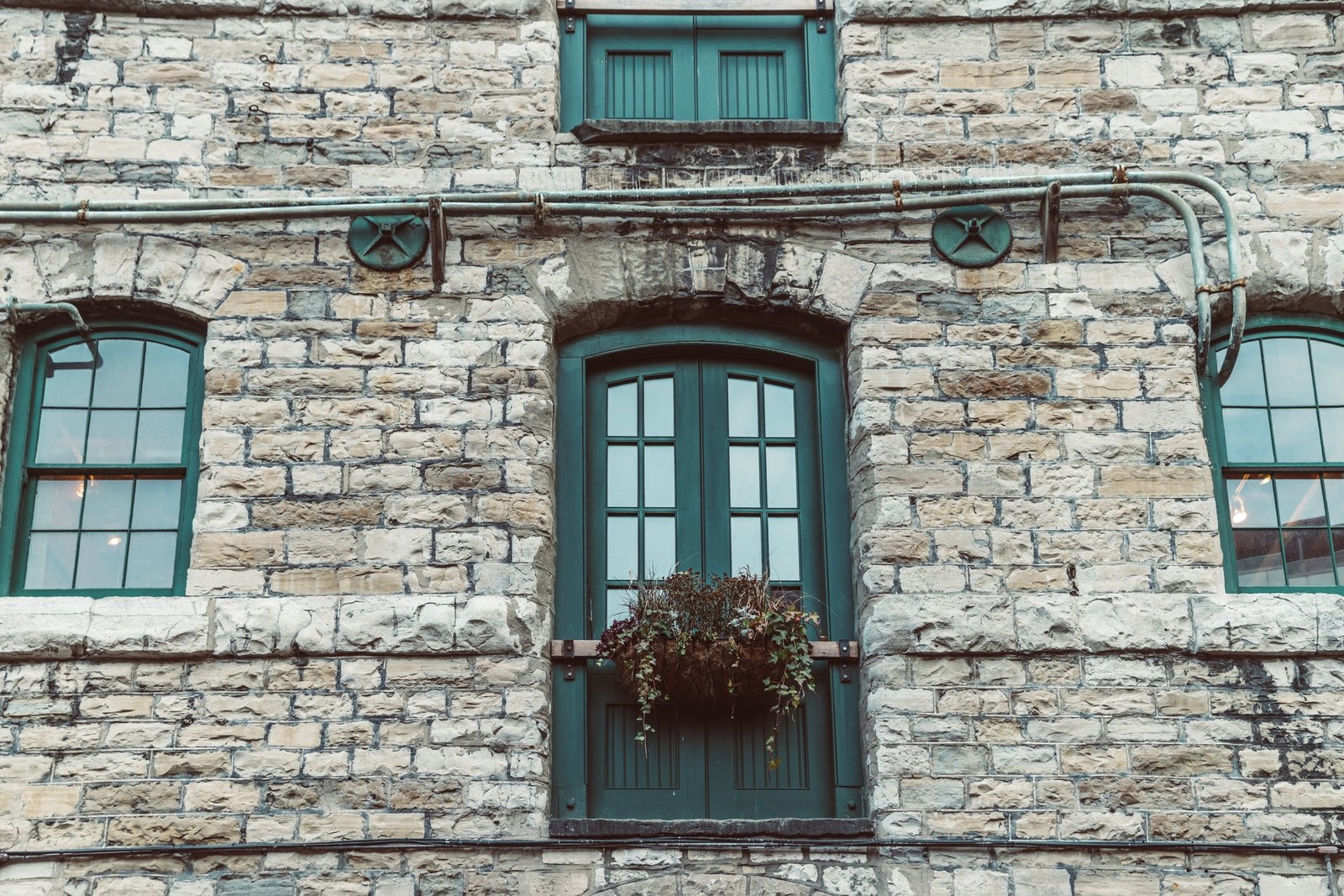
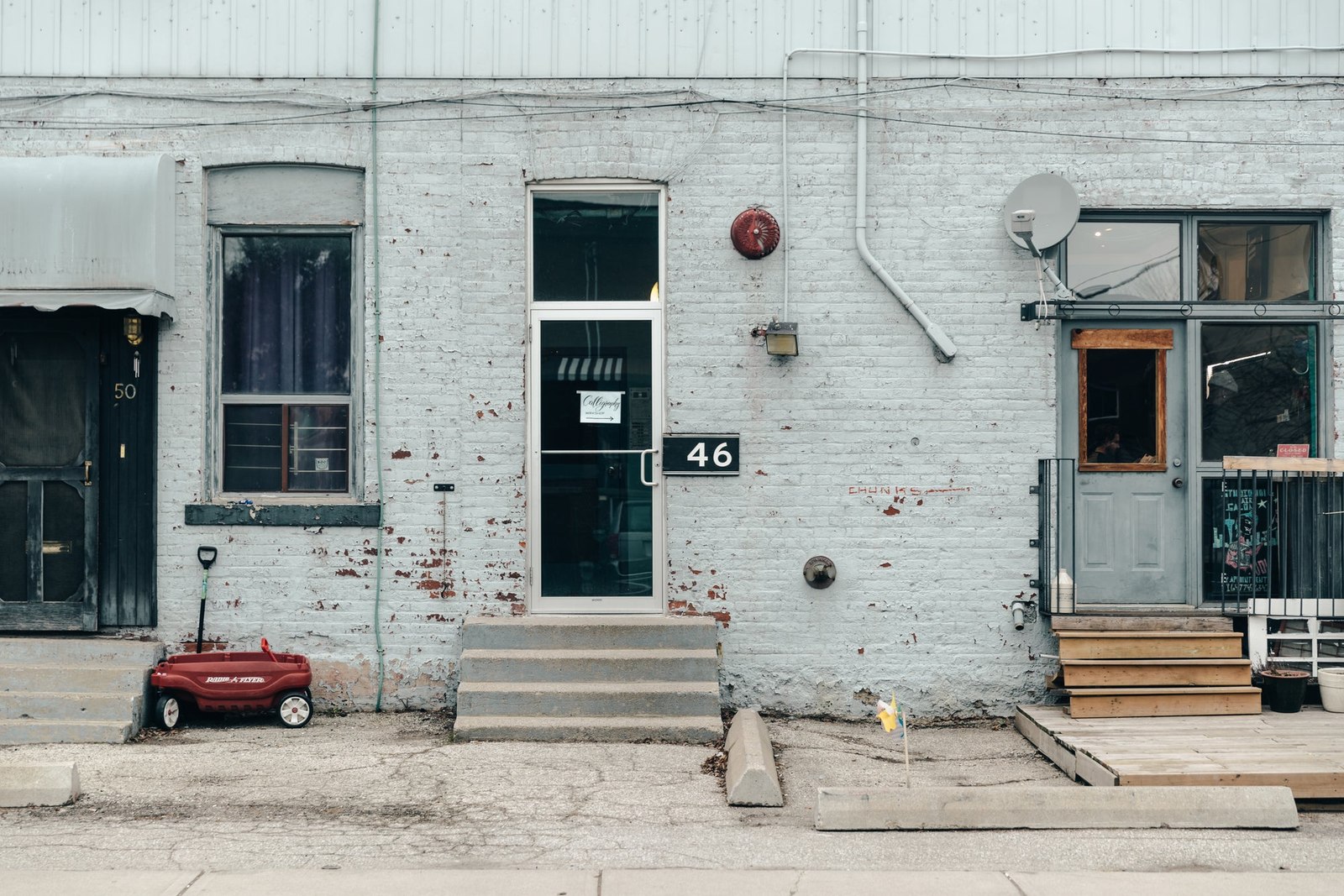
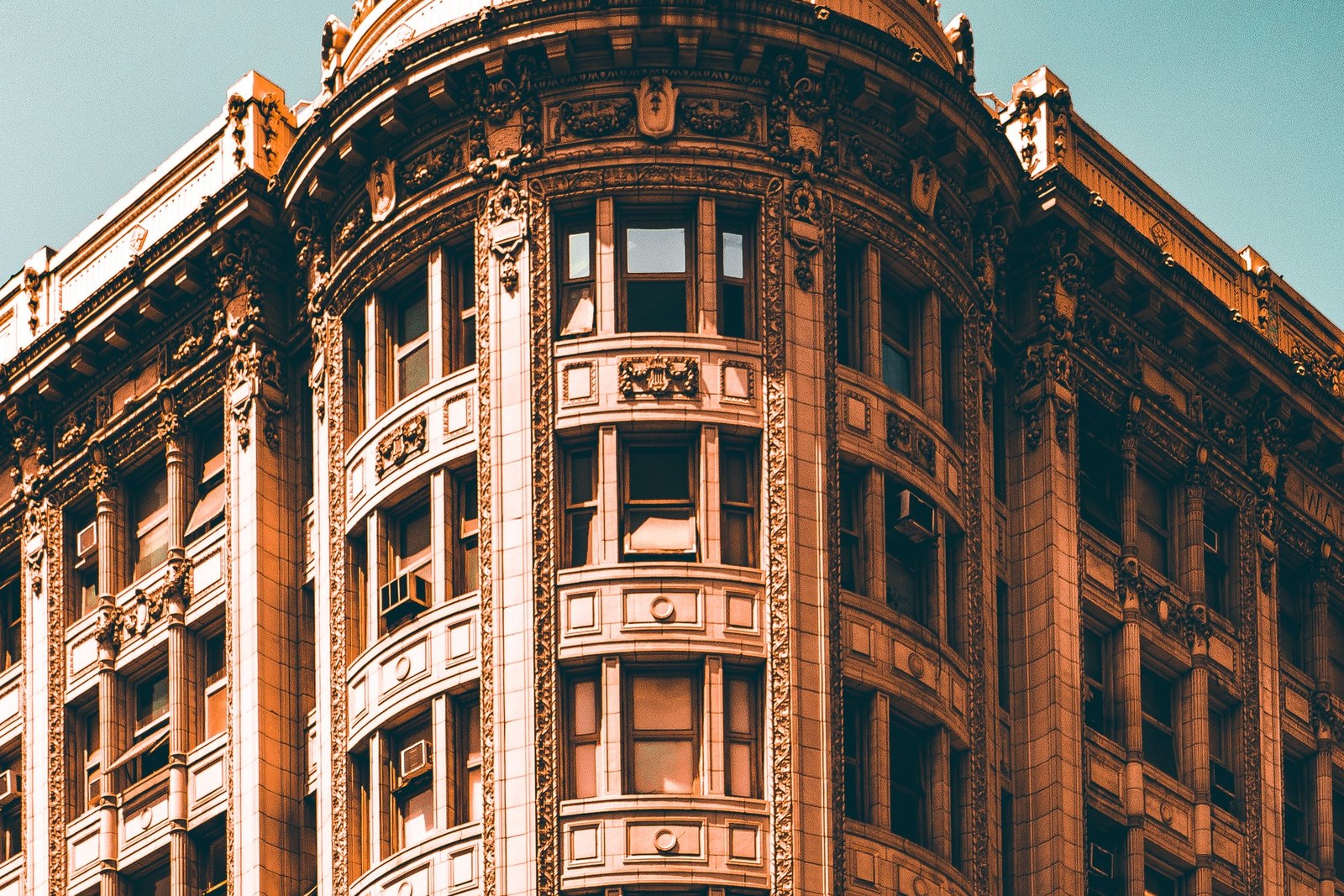
A good place to pause, at the edge of a building
A seat is only part of the story. Permission, weather and the passing route decide whether a small stopping place can work.
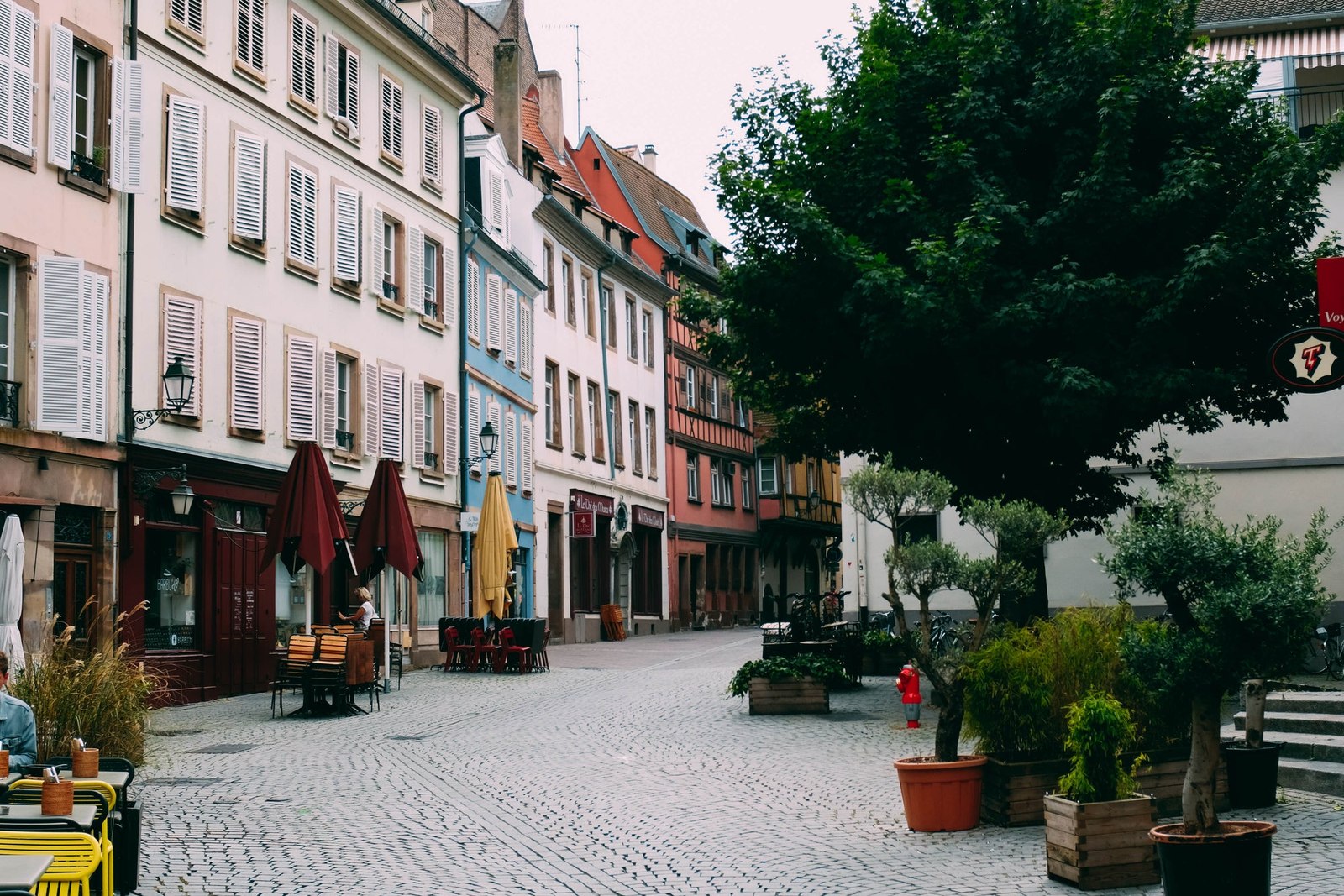
Some building edges seem to offer a place to pause. Others keep your feet moving even when the pavement is equally wide. The difference is difficult to capture in a photograph of the facade alone. It lives in the relationship between a standing person, the passing route, the weather and the small things that make stopping feel possible.
Consider two hypothetical street fronts. One has a handsome stone wall that meets the pavement without a recess. The other has a less remarkable wall, but also a sheltered setback beside a public bench. The second arrangement may offer more choices for waiting. Its usefulness does not follow from the prestige of its materials, and it cannot be understood without the space immediately around it.
The edge has a front and a back
Start with the position of a person who stops. Is there something behind them, a view ahead and enough room for others to pass? A recess can provide a sense of having a place without putting someone directly in the flow. But if that recess contains an active doorway, standing there may obstruct another person's arrival.
This is why an edge should be read in plan, even with a rough sketch. Draw the wall, the open route and the places where people need to cross between them. A photograph may make an empty step look inviting while hiding the doorway it serves. The sketch exposes that connection and prevents a decorative feature from being mistaken for freely available space.
Permission matters as much as shape
A ledge is not automatically a seat. It may be fragile, private, wet or intended to keep a window clear. A cafe chair may require a purchase. A planter's rim may be unsuitable for sitting even if it has the right apparent height. Distinguish a public seating provision from a surface that merely resembles one.
When observing an unfamiliar street, favour explicit cues: a public bench, a designated waiting area or a clearly accessible public forecourt. Where permission is uncertain, record uncertainty. An account of urban comfort becomes less useful when it quietly assumes that every attractive corner is available to everyone.
Weather changes the invitation
Shade can make one spot appealing at midday and less appealing on a cold morning. A canopy may offer cover while leaving wind driven rain at its sides. Trees change with the season, and a surface that looks comfortable in dry weather may hold water after a shower. One visit reveals one set of conditions.
Rather than label the edge comfortable, write a more precise sentence: the bench was shaded at this time; the recess was dry during this light rain; the low sun reached the waiting space. Such descriptions travel better than a universal verdict. They also leave room for another reader whose comfort requirements differ from yours.
Give passing and staying separate room
Imagine someone with a shopping bag beside the bench, another person waiting for a friend and a third moving along the pavement. Can those actions coexist? You do not need to stage a test with strangers. A simple diagram of positions can reveal whether a seeming pause point depends on everybody else moving out of the way.
Project for Public Spaces places access, activities, comfort and sociability together in its discussion of successful public places. That framework is useful here because an edge is more than an object. A well positioned seat with no practical route to it, or a sheltered place that blocks an entrance, offers only part of the experience.
Notice use without assigning a story
If people are present, describe observable actions respectfully. Someone waits near the wall; two people speak beside the bench; a delivery takes place at the doorway. Do not infer that a quiet frontage is unsuccessful or that a busy one is universally welcoming. Time, opening hours, an event or the weather may explain what you see.
Likewise, avoid treating people as evidence for a preferred architectural argument. You can learn from where stopping is possible without photographing identifiable individuals or speculating about their circumstances. The more modest the observation, the easier it is to check and the less likely it is to erase someone else's experience.
The next time you walk a familiar route, look for one place where pausing and passing fit together. Note its boundary, its permission, its weather and its connection to the route. You may discover that the most generous part of a building is a small piece of space beside it: neither a dramatic public square nor a grand architectural gesture, but somewhere an ordinary wait can happen without becoming an inconvenience.
Sources & further reading
-
What Makes a Successful Place? ↗
The framework connecting access, comfort, activities and sociability in public places.