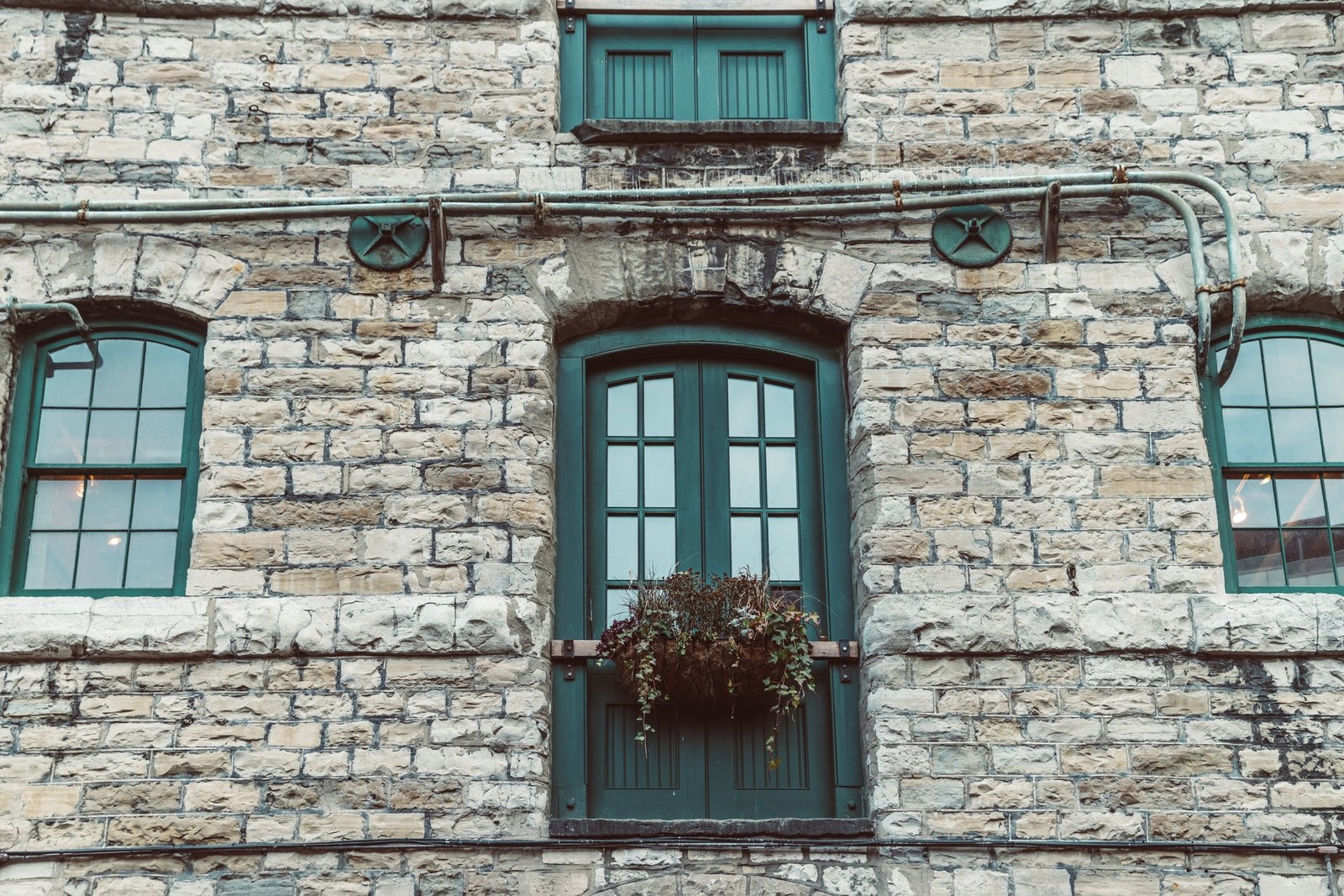
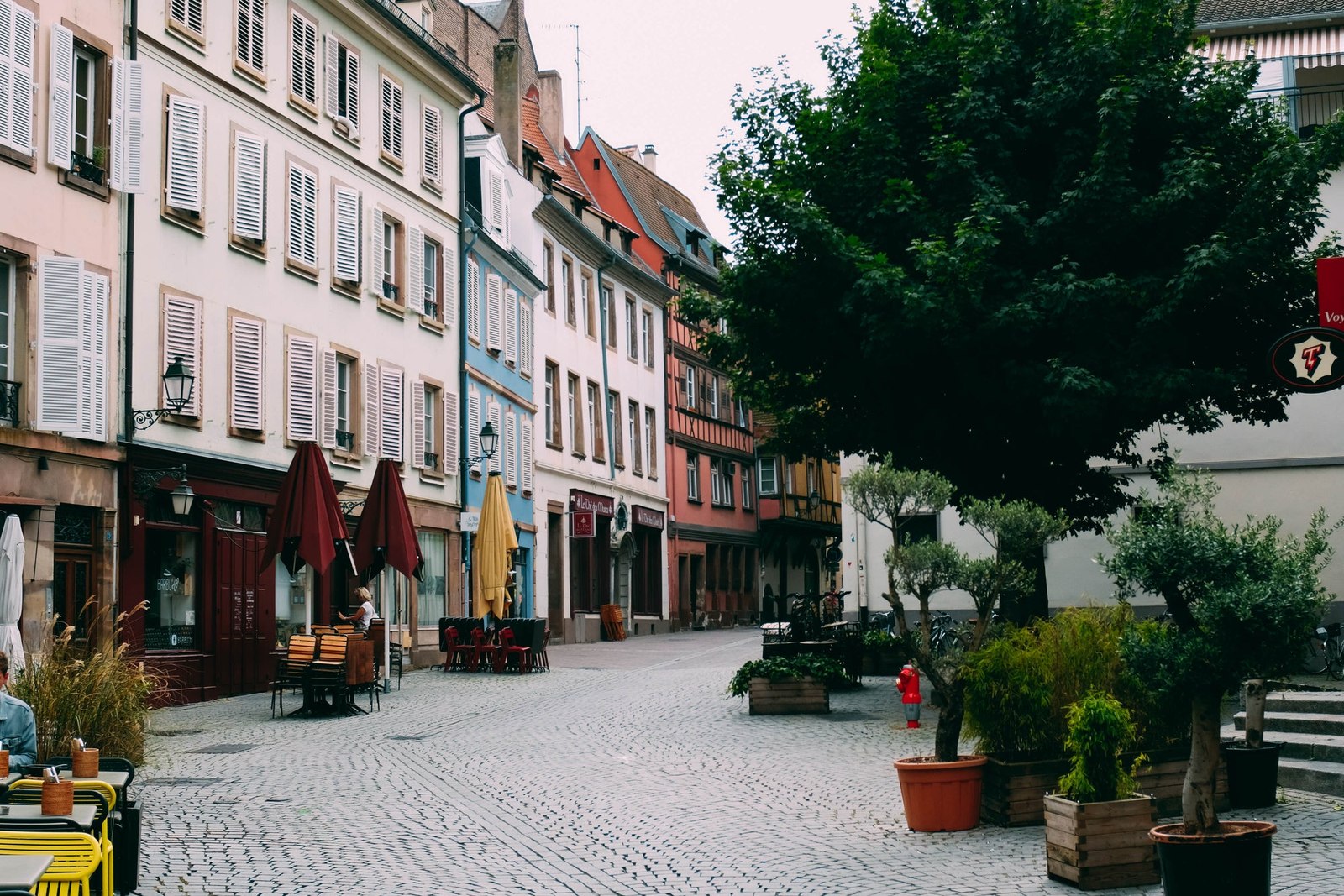
One corner, three different approaches
A corner building changes as you move. Three small sketches reveal the relationship between a landmark and your route.

A corner building belongs to more than one view. Approached along one street it may look like a broad, calm wall; from another it becomes a narrow marker. At the junction, an entrance that was invisible a moment earlier can suddenly explain the whole arrangement. Reading the building from three approaches reveals how orientation depends on movement, not just on the object at the corner.
For this exercise, choose a junction with safe pedestrian positions and an uncomplicated route between them. Never step into traffic for a better angle. You can make a perfectly useful study from the available pavement, even if trees, parked vehicles or street furniture interrupt the view. Those interruptions are part of how the place is encountered.
Approach one: the long view
Start far enough along the first street that the corner building is part of a larger row. What distinguishes it, if anything? Height, colour, a projecting roof or the gap of the cross street may make it visible. It may also blend into the frontage until the junction becomes apparent. Record what actually draws your attention rather than what you think should.
Draw a thumbnail with the building as one shape. Add the nearest competing features: a tree, another tall facade, a sign or the open sky beyond the junction. A landmark does not stand alone in a person's view. Its ability to help with orientation depends partly on what surrounds it and where it can be seen.
Approach two: the other street
Walk by the normal pedestrian route to the second street. Repeat the thumbnail without consulting the first. Does the building still present the same face? Perhaps a symmetrical elevation becomes a thin side wall, or a curved corner ties two unequal fronts together. These differences describe its changing presence without requiring a claim about the architect's intentions.
Look for information that becomes available only here. A name, doorway or visible continuation of the street may make the junction easier to understand. Separate that information from decoration. A bold pattern can make a building memorable while offering little help in finding its entrance. Both observations can be true at once.
Approach three: near the turn
From a safe position close to the corner, focus on the pedestrian decision. Which route continues straight, which bends and where can you cross? Does the building's ground level clarify those choices or draw attention elsewhere? Note the difference between the shape of the building and the organisation of the surrounding route.
This viewpoint often reveals details that the longer views hid: a recessed entry, a return of the shopfront, a low boundary or a change in paving. Do not assume every material change marks a public route. Signs, ownership and actual access still matter. A visual invitation and permission to enter are different forms of information.
Compare the three sketches
Lay the drawings together and label three things on each: what you noticed first, where you thought the entrance was and which direction you expected the route to continue. The building may answer those questions differently from each approach. That variation is more interesting than deciding whether it is simply a successful landmark.
Add the conditions that might have affected the result. Daylight, temporary works, delivery vehicles and foliage can all change a view. A single walk cannot tell you how the corner works at night or for someone with different vision, mobility or local knowledge. State the limits of the exercise in the same notebook as the attractive observations.
Use the result to ask better questions
You might finish with a question about a hidden entrance or a facade that only becomes visible after a turn. If you pursue it, look for reliable plans, public records or a documented account. Avoid turning the question into an invented explanation about heritage, commerce or social life. The sketches already contain useful evidence without such a story.
Try describing the corner to a friend who has never been there using only the observations you can support. If your directions rely on a detail visible from only one street, say so. That small adjustment is the practical lesson of the exercise: a place can be distinctive and still be differently legible from each approach. Understanding it requires more than choosing its most photogenic side.