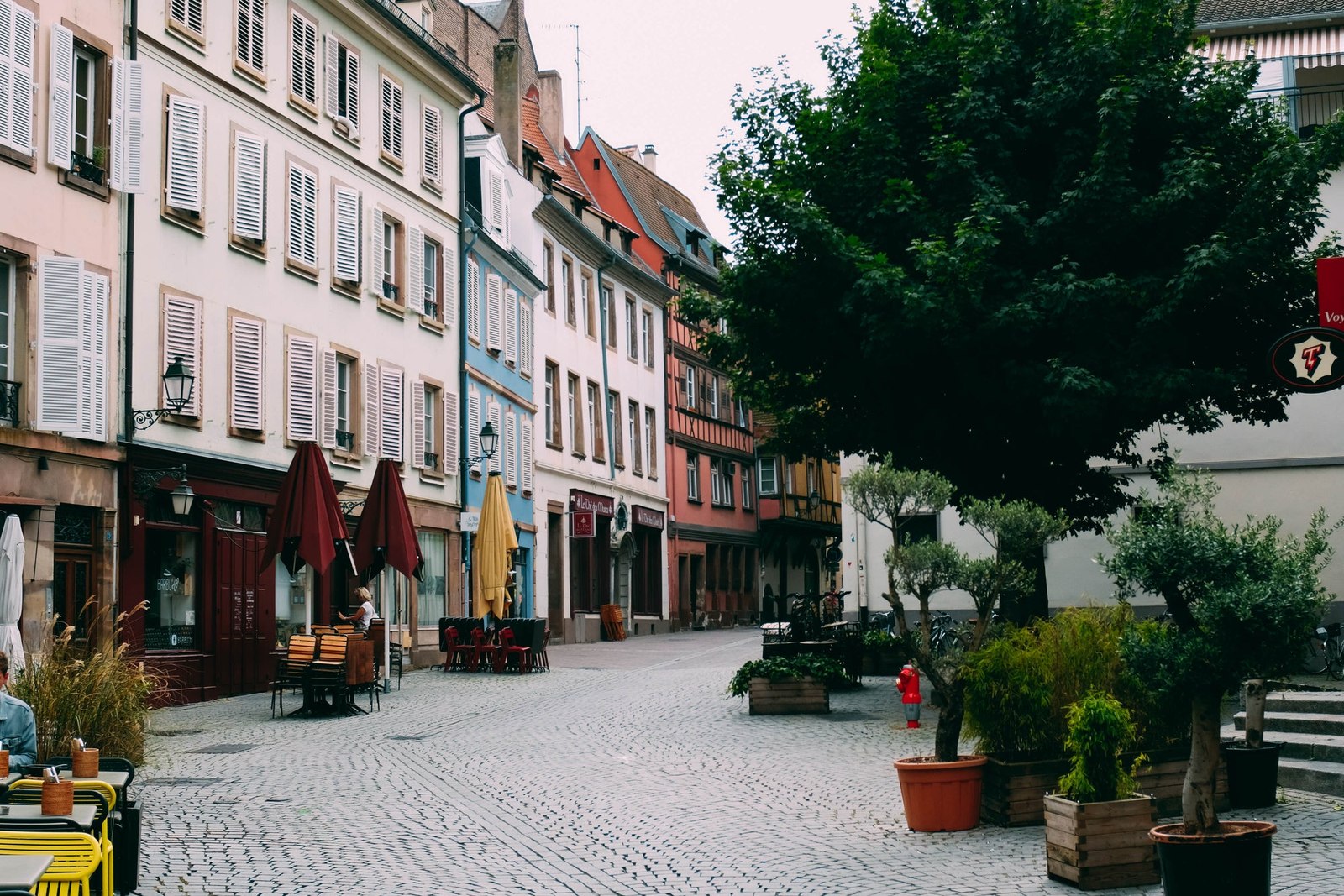
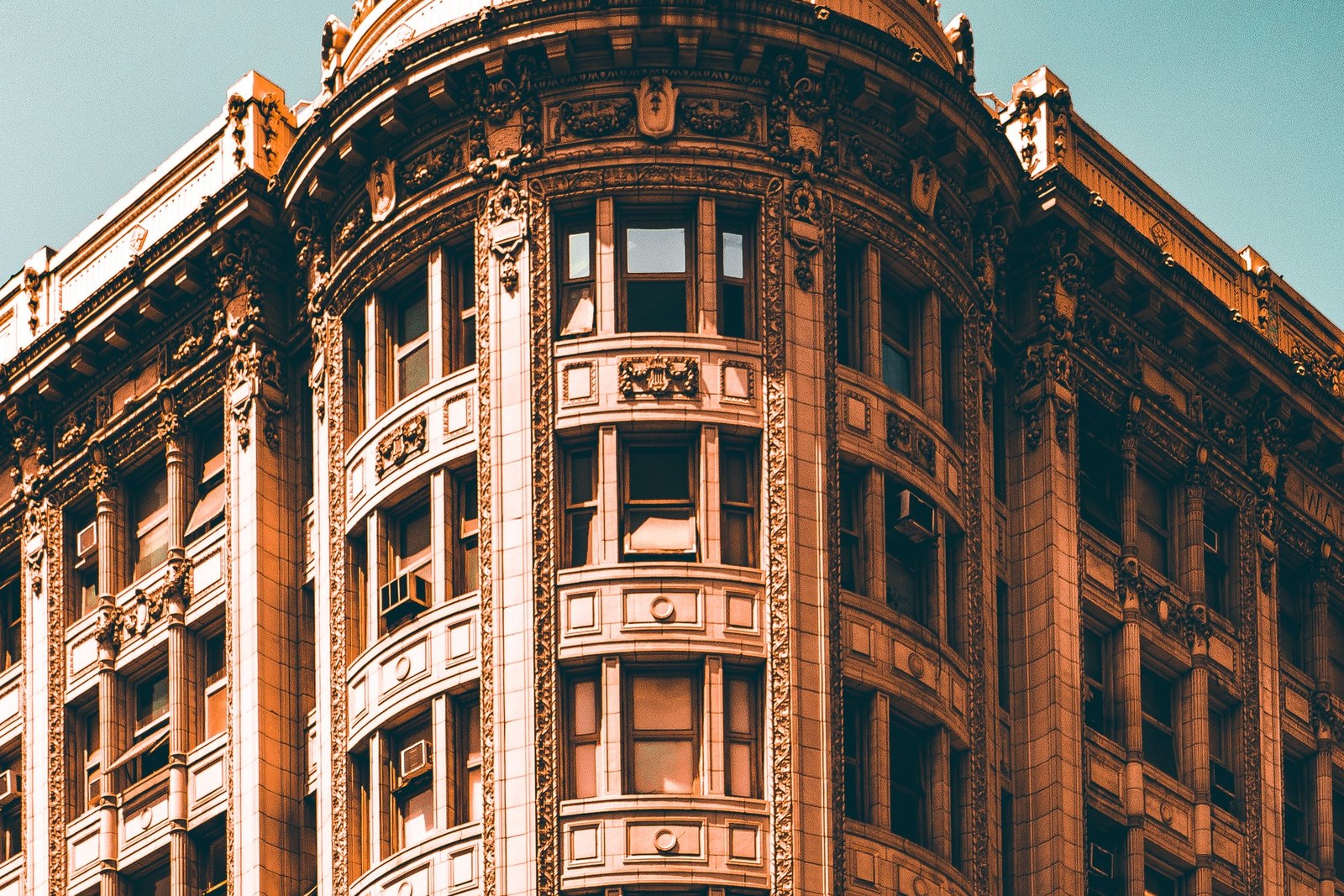
The small journey from pavement to door
An entrance unfolds in stages. A public-side observation exercise follows the information that appears along the way.
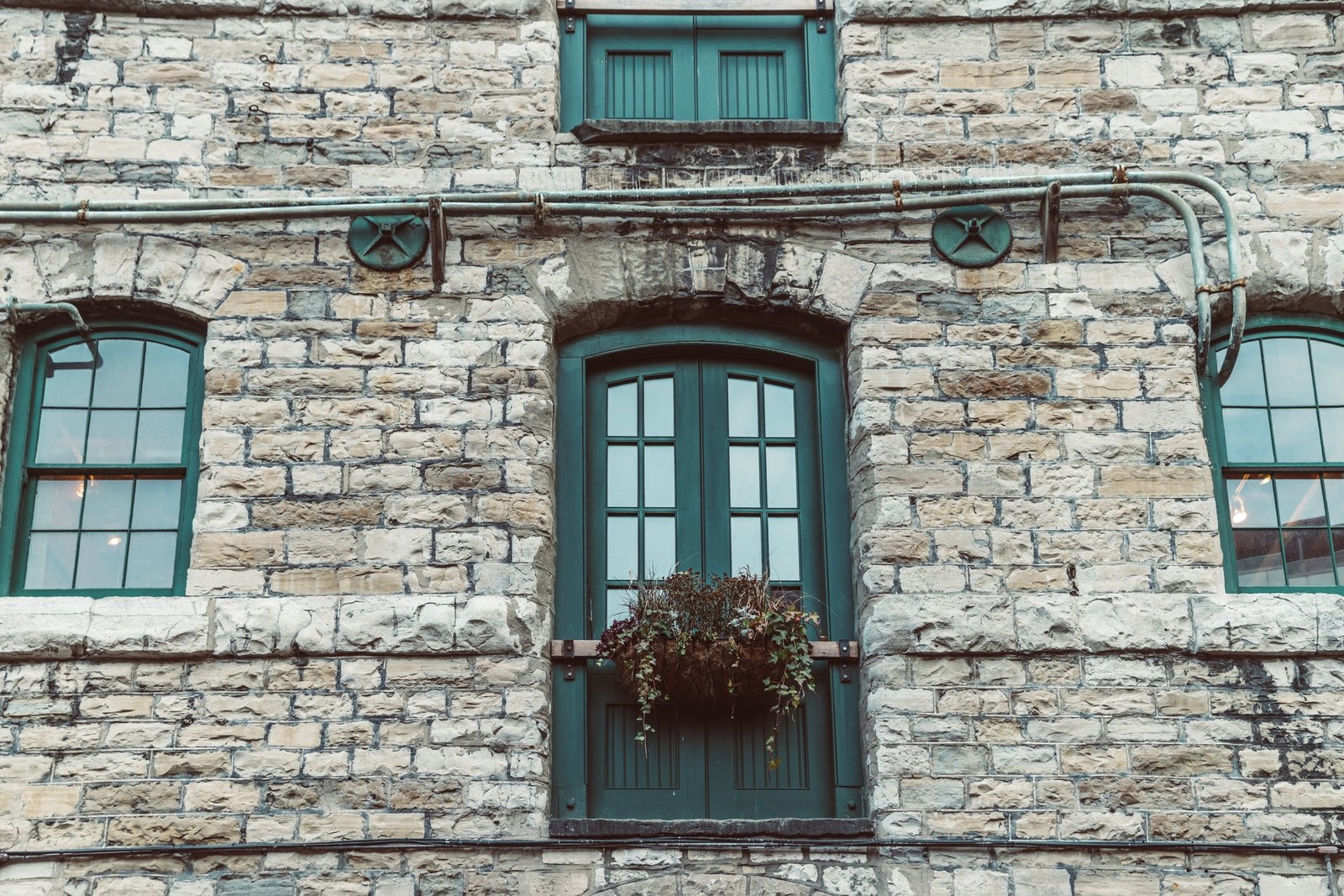
A front elevation is usually photographed straight on. Arrival is rarely so obliging. You come from one side, step around a parked bicycle, find a gate and look for the bell. The architecture reaches you as a sequence of small discoveries. Reading that sequence from the public pavement is a useful way to understand a building without entering it or knowing its history.
Choose a short stretch that you can observe without blocking anyone. This is an exercise in describing visible arrangements, not evaluating the residents. A closed curtain does not establish that a house is unfriendly. A flowerpot does not tell you who maintains it. Keep what you see distinct from the story you are tempted to attach to it.
Begin before the boundary
Approach along your normal route. When does the entrance first become distinguishable from the rest of the frontage? It might announce itself with a canopy, a gap in a wall or a change in the direction of the path. Equally, its position may remain unclear until you are very close. Record the distance in ordinary terms: across the road, one building away, alongside the gate.
Now notice the competing signals. A brightly lit shop window beside an apartment entrance may draw the eye away from the actual door. A symmetrical facade may suggest a central arrival even when the entrance sits around a corner. Neither observation proves a design failure. It describes a relationship between what attracts attention and where a visitor must go.
Draw a sequence, not a facade
On a small sheet, put five empty boxes in a row. Label them approach, boundary, path, threshold and door. Fill each with one observed fact. For example: the door is visible from the left; the gate opens towards the garden; the path changes direction; the porch is recessed; the bell sits on the right.
There may be fewer or more than five stages. An entrance directly on a pavement compresses several into one moment. A shared courtyard may create another junction. Change the diagram to match the place. The boxes are an aid to attention, not a model that every building ought to satisfy.
Add a line beneath the boxes for the information available at each point. A number that becomes readable before the gate helps a visitor decide whether to stop. A shared entry label may explain which bell to use only at the door. You are tracking when information arrives, as well as where objects stand.
Read depth in the side view
A shallow porch can look almost flat from across the street. Passing beside it reveals a ceiling, a sheltered wall and a space to stand outside the opening door. Sideways movement often explains what the frontal image conceals. Look from both legal public approaches, keeping out of driveways and private paths.
Watch how boundaries overlap. Railings, planting and a recessed wall can make a layered edge without forming a solid barrier. A low wall might hide the bottom of a path while leaving the door visible. Describe these as visual effects. Do not assume they were designed for a particular security or social purpose without evidence.
Separate legibility from accessibility
Knowing where the door is does not mean being able to use it. Steps, slopes, door operation and space to manoeuvre raise different questions. The U.S. Access Board's guide to entrances, doors and gates illustrates the detail involved in accessible entry design within its regulatory context. A quick street sketch cannot replace that assessment or establish legal compliance.
You can still note visible obstacles accurately: a step at the threshold, a path narrowed by bins, or a gate whose movement crosses the route. Avoid judging suitability for another person's needs from a distant view. Where an actual project is involved, dimensions, applicable requirements and the people using the entrance need specific attention.
Return to the ordinary journey
Finish by writing the sequence as a single sentence: I see the number, find the gate, turn towards the porch and reach the bell. Where the sentence becomes uncertain, mark the missing information rather than inventing it. Perhaps you never found the number; perhaps the entrance you noticed serves a different part of the building.
This modest account can change how you look at your own arrival space. Before choosing a new door colour, you may want to move a movable obstruction or make an existing label easier to read. The useful insight is not a preferred entrance style. It is that arrival takes time, and each small part of the route can either explain the next step or leave it to be discovered.
Sources & further reading
-
Chapter 4: Entrances, Doors, and Gates ↗
Background on door operation, entrance access and manoeuvring within U.S. ADA requirements. Local applicability must be checked separately.