Plan the pauses, not just the walk
A useful neighbourhood route includes places to stop. Make a personal map of access, comfort and alternatives.
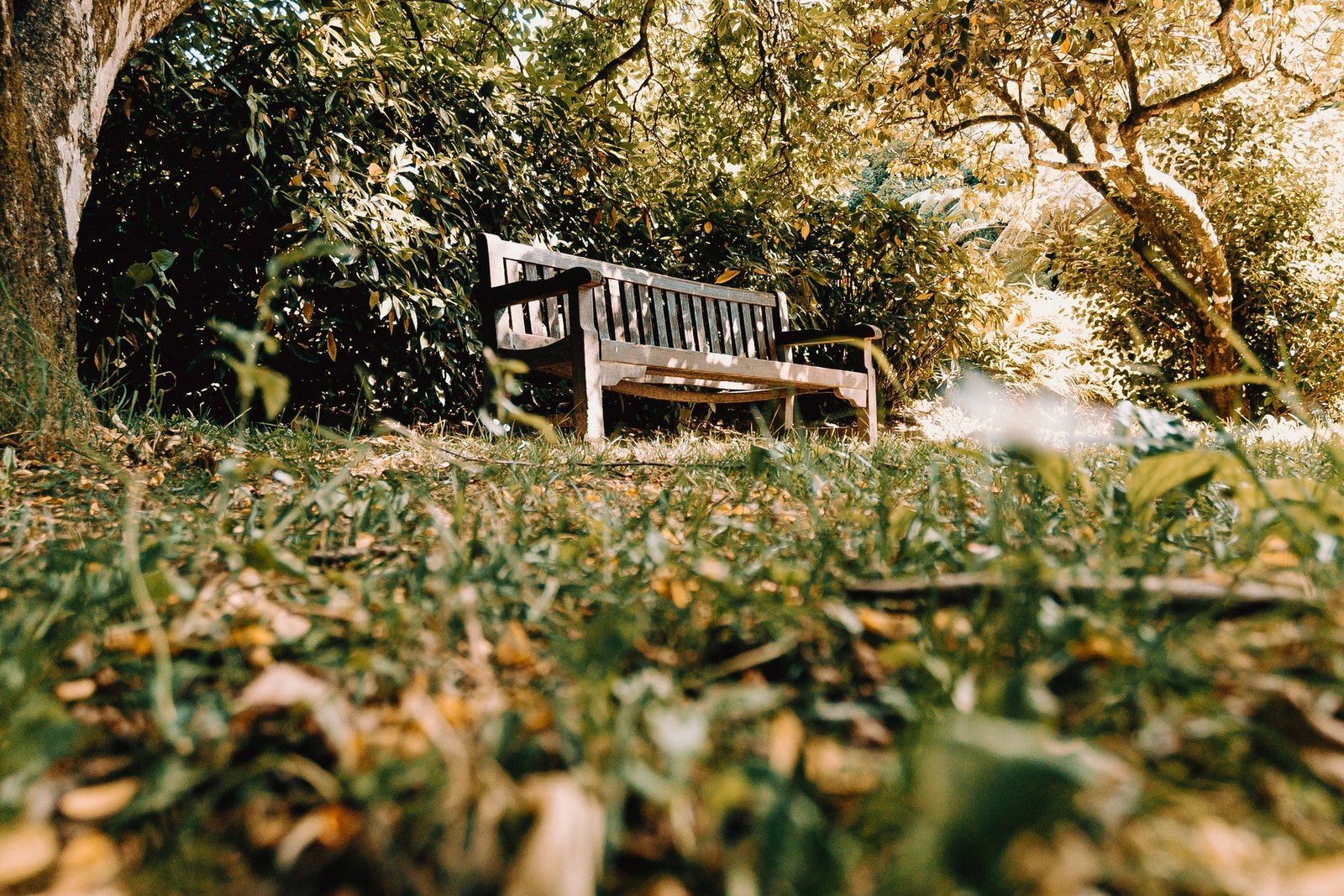
When planning a walk, we tend to mark the destination and estimate the distance. The places where we might pause receive less attention, even though they can shape whether a route feels manageable. A seat near the halfway point, a sheltered public waiting place or a quiet spot away from a busy crossing can make an ordinary journey easier to adapt.
This is a personal route planning exercise, not a ranking of neighbourhoods. Different people need different kinds of rest, and those needs can change from one day to another. The aim is to replace a vague promise that there will probably be somewhere to stop with a small, checkable set of options.
Put needs on the map first
Before looking for picturesque places, write down what would make a pause useful to you. You may want a seat with a back, space for a companion, shelter, access to a toilet or simply a place to stand without blocking movement. Not all of these will be available on every route. Naming priorities helps you see the gaps honestly.
Distinguish a short pause from a destination. A cafe might provide a long break during its opening hours, but it may involve a purchase or have no suitable seating available. A public bench requires a different kind of check. Avoid treating the two as interchangeable dots on a map; record the conditions attached to each.
Look for links as well as stops
A seat visible across a busy road is not necessarily a convenient stopping point. Consider how you reach it from the route and how you return afterwards. Crossings, slopes, surface conditions and the position of entrances may matter more than the straight line distance shown on a map. Check current conditions rather than relying entirely on an old photograph.
Project for Public Spaces discusses access and linkages alongside comfort in its framework for public places. That pairing is useful for a walk: an attractive place to rest has limited value if reaching it adds an unsuitable detour. You are planning a chain of movements and pauses, not collecting isolated amenities.
Record facts with dates
Use a plain note for each option: location, kind of seating or standing space, access conditions, shelter observed and date checked. If there are opening hours or posted restrictions, record them directly. Do not infer a right of access from the absence of a gate or from seeing someone else use a private forecourt.
Leave room for uncertainty. Write toilet not checked rather than toilet available if you have only noticed a sign from a distance. Write shaded during afternoon visit rather than shaded all day. These phrases make the map less impressive at a glance, but far more useful when you depend on it.
Make a route with alternatives
Imagine the first seat is occupied, the cafe is closed or rain starts earlier than expected. Where could you pause instead, shorten the walk or return by another route? The alternative does not need to be equally attractive. It needs to address the particular difficulty that could arise without demanding a much harder journey.
For a shared walk, compare needs before settling the route. One person's pleasant shortcut may contain a step or surface another wants to avoid. Ask rather than assume. A plan that includes a shorter loop or an agreed turnaround point can offer more freedom than an ambitious distance with no clear way to change it.
Notice how the stop fits the street
During the walk, observe whether passing and waiting have separate room, whether the seat faces traffic or a quieter view, and whether reaching it feels straightforward. These are descriptions of the arrangement at that time. They do not establish that the place is safe in all circumstances or comfortable for every visitor.
If a stopping place does not work for you, record why in specific terms. The seat was wet, the only approach involved steps, or the posted hours did not match your journey. Specific notes support a different decision next time. A broad judgement that the area is bad offers little practical help and can obscure what actually happened.
Afterwards, revise the route while the details are fresh. Keep useful options and remove assumptions that proved wrong. You may end up walking the same distance with more flexibility, or choosing a shorter route that better suits the day. Either outcome recognises a simple part of everyday urban life: stopping is an activity worth planning for, rather than a failure to keep moving.
Sources & further reading
-
What Makes a Successful Place? ↗
The framework connecting access, comfort, activities and sociability in public places.