Timber, and the life that happens to it
Wear can be welcome without every mark being harmless. A thoughtful material choice includes its future care.
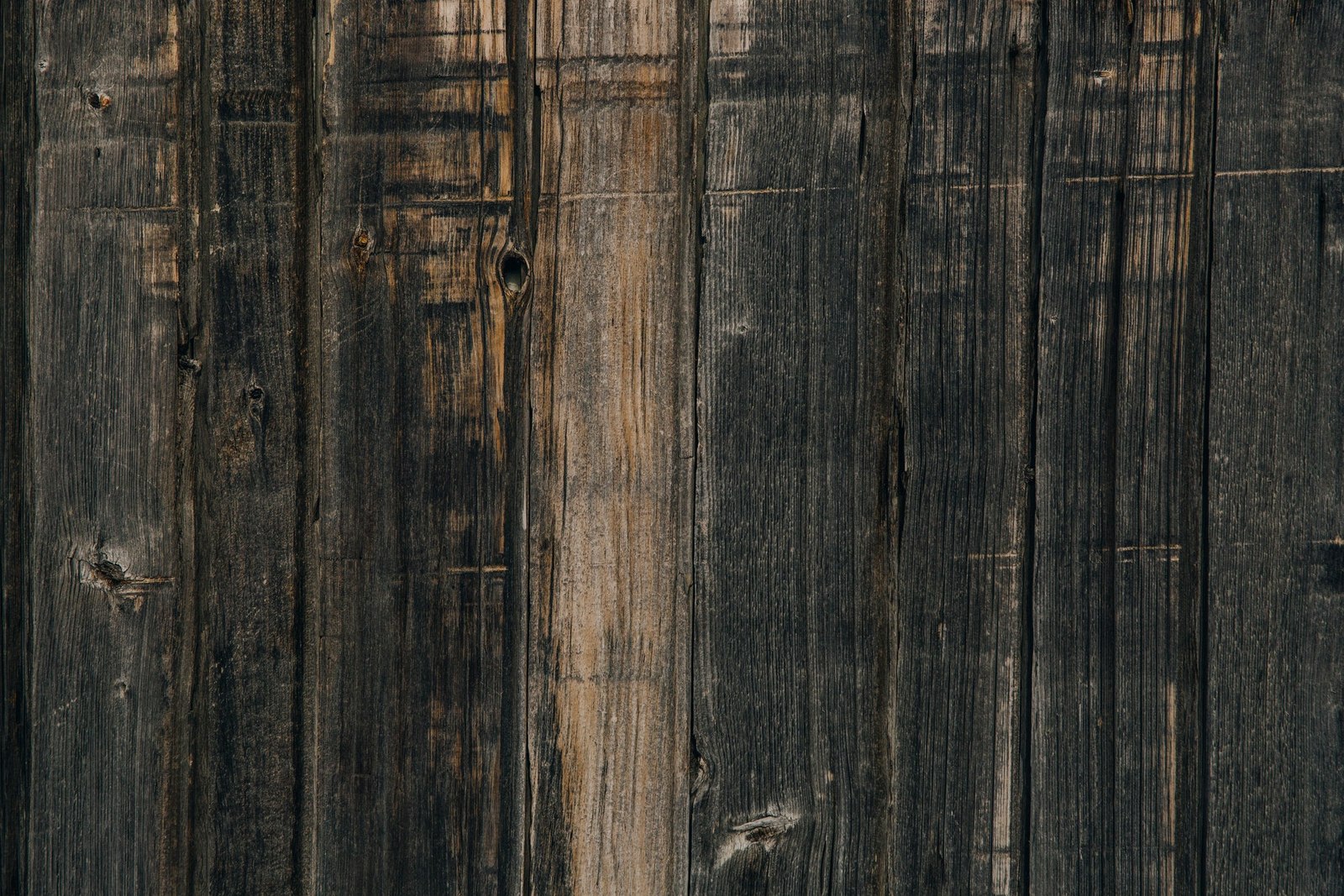
A timber surface is often chosen for the way it looks when new. Yet a dining table, a handrail and a cabinet front will enter different patterns of use. Their future appearance may matter as much as their first impression. Before describing every mark as either damage or desirable patina, consider what kind of change you are willing to live with and what care the particular object requires.
Patina can be a useful word when it describes an accepted history of use. It becomes less useful when it excuses an unexplained condition or promises that any surface will grow more beautiful without attention. A photograph of aged timber cannot tell you how another product will perform, or whether the appearance you admire is compatible with your own routine.
Begin with the object's job
Imagine the timber in the place where it will be used. Will meals happen there, bags be dropped there, or hands repeatedly touch the same edge? Is the surface mainly viewed across a room, or examined at close range during daily work? These questions establish what sort of contact matters before the conversation moves to species, finish or colour.
Avoid borrowing a maintenance expectation from an unrelated object. A decorative panel and a working table do not have the same brief. Nor does the word wood describe a single construction. Solid timber, a veneered panel and a coated composite can have different requirements, and those should be established through reliable product information rather than a visual guess.
Ask what change is acceptable
Write down three categories: a change you would welcome, a change you could accept and a change that would make the object unsuitable. Your answers may concern colour variation, small marks, a change in sheen or the ability to keep a surface clean for its intended use. The categories are personal preferences, not technical diagnoses.
This exercise can make a supplier conversation more precise. Instead of asking whether a finish is durable, explain how the object will be used and which changes concern you. Request the appropriate care and use information for that exact product. A confident general description is less valuable than instructions that identify the material, finish and limitations of the item you are actually considering.
Do not confuse a story with evidence
A worn surface can encourage an appealing narrative. A patch might suggest years of elbows at a table or repeated hands on a rail. Unless the history is documented, treat that as an interpretation rather than a fact. The marks may have another cause, and the appearance alone does not establish age, provenance or condition.
For an existing or valuable object, avoid experimenting with cleaning products or refinishing methods simply to reveal what lies beneath. An uncertain finish is a reason to seek appropriate advice. In historic settings, the National Park Service's rehabilitation standards offer a broader principle: understand and retain significant existing fabric rather than treating replacement as the default route to a fresh appearance.
Think about the edge as well as the top
When looking at a timber object, examine the parts most likely to meet the body: the front edge of a table, the underside of a handrail or the corner of a pull. Describe what you notice about shape and finish without assuming how it will wear. These details can matter to everyday satisfaction even when they barely appear in the main product photograph.
If you can view a representative sample in person, look at it under ordinary conditions and from normal positions. Ask which parts of the sample correspond to the supplied product. A beautifully aged example in a showroom may be informative, but it is not a guarantee of the colour, pattern or future change of a different piece.
Make care part of the purchase
Keep the care guidance with the object's other records. Note what the supplier says about cleaning, exposure, maintenance and any limits on repair or refinishing. Decide whether that routine is something you will realistically follow. Choosing an object whose care you resent is not made more thoughtful by giving the inconvenience an attractive name.
There is room for both a carefully preserved surface and a surface that openly records use. The useful distinction is intentionality. You should understand what you have chosen, know which questions remain unresolved and be able to tell ordinary change from a condition that deserves attention. Timber and time can have an interesting relationship without asking the word patina to explain everything.
Sources & further reading
-
The Secretary of the Interior's Standards for Rehabilitation - Historic
Preservation Tax Incentives (U.S. National Park Service) ↗
Background: U.S. rehabilitation standards on retaining historic materials, repair and changes that preserve future integrity. Not a diagnosis or a universal rule for new buildings.