There is room for a little shadow
Even brightness is not every room's ambition. Start with the activity, then decide where light and shade belong.
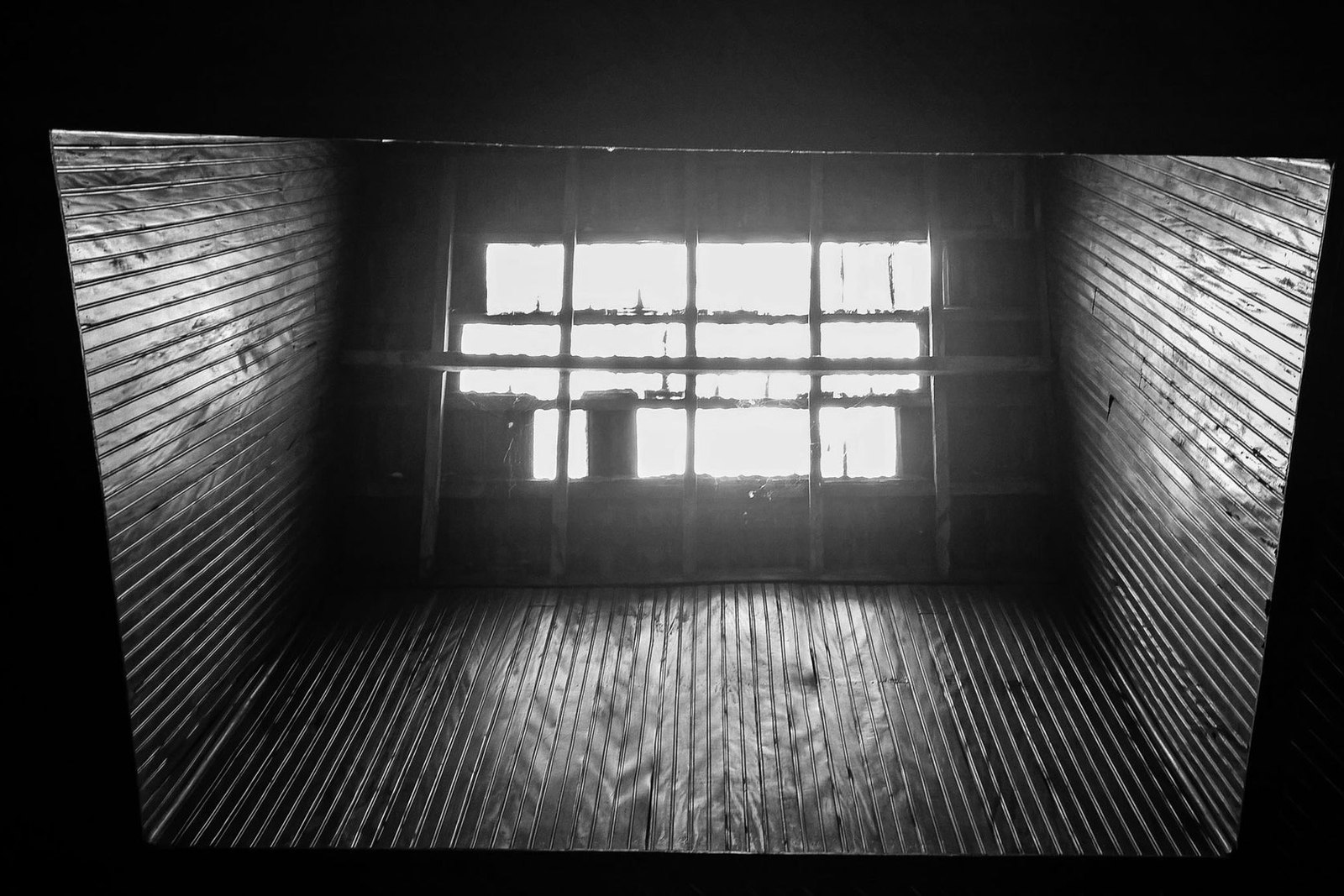
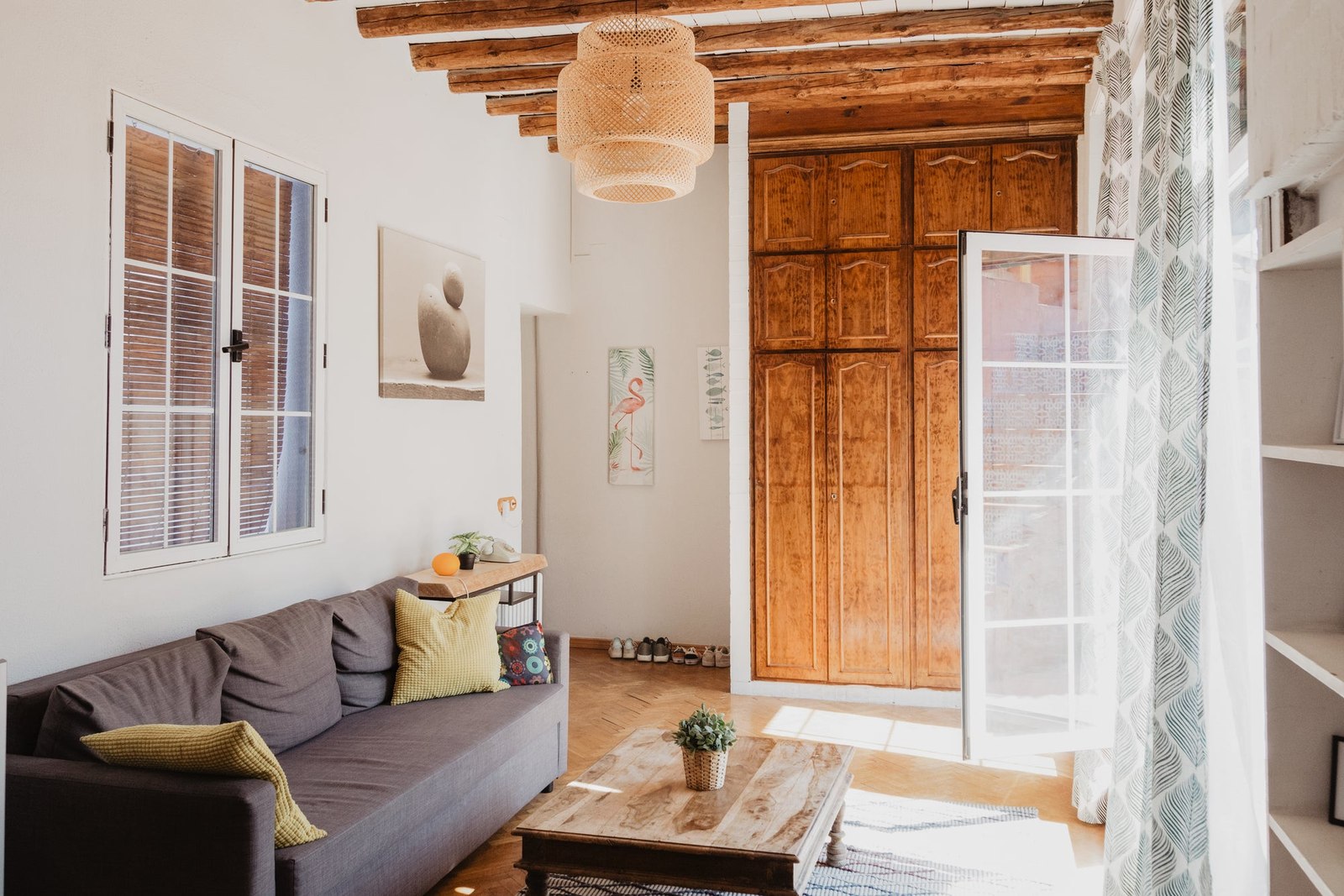
When describing an interior, bright is often used as an uncomplicated compliment. But a room is experienced through differences as well as averages. A quieter corner can make a window feel more vivid. A shaded place can offer relief from a visually busy view. An area that is unsuitable for one task may be exactly where another activity belongs. The question is not whether darkness is desirable in itself, but whether every part of a room needs to perform the same job.
Useful shadow is a way of discussing that variety. It does not mean accepting inadequate lighting for work, movement or safety. It means noticing where a less visually intense setting supports an activity, and resisting the assumption that the only successful interior is one that appears uniformly illuminated from every camera position.
Begin with a task that needs less attention
Think of an activity in the room that involves looking away from detailed work: pausing with a drink, listening to music, talking or simply taking a break. Where does that activity naturally happen? Is it close to the brightest view, or a little removed from it? Record your preference before deciding that the room has a lighting defect.
Someone else may choose differently. A shared room should accommodate those differences rather than convert one person's preference into a rule. Describe the condition in ordinary terms: this chair faces a calmer wall, that seat has a clearer view outside, and this table needs additional light for the work done there. The language of specific uses is more helpful than declaring the room too gloomy or too exposed.
Distinguish contrast from obstruction
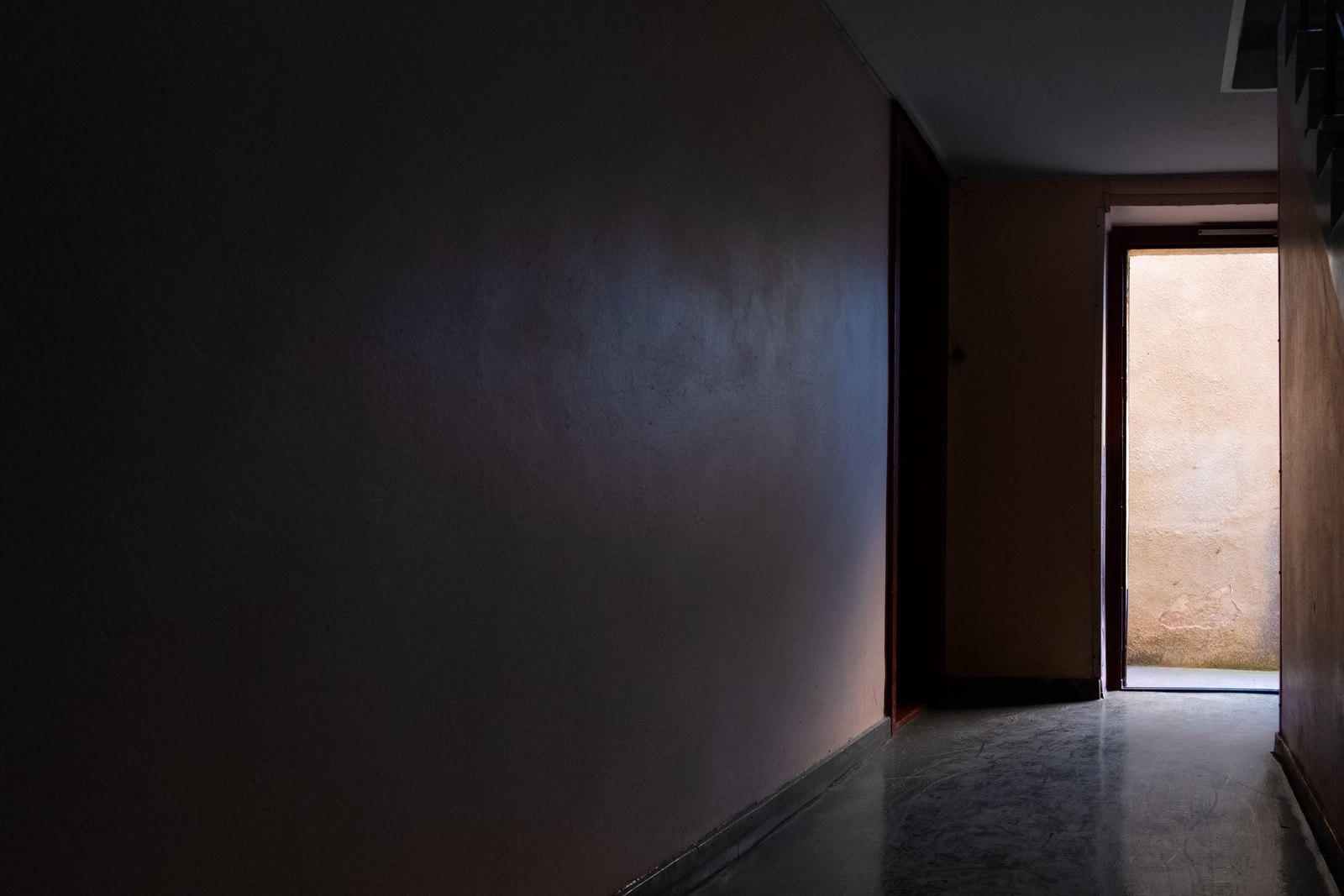
A shadow cast by a deep opening is different from a dark patch caused by an object blocking the only useful light at a desk. Look at the relationship between the area and its surroundings. Is the change gradual or abrupt? Does it make an important edge harder to see? Does it contribute to a sense of enclosure, or simply hide something that needs to remain legible?
Avoid generalising from a single moment. A comfortable position on an overcast morning may behave differently when strong sunlight enters later. Window coverings, task lights and the ability to change position can matter as much as the fixed room arrangement. Include their operation in your observation, rather than treating every opening as a permanently open rectangle.
Give the room more than one setting
Instead of choosing one ideal brightness for the entire room, consider whether it can support several ordinary settings. A work session may need a clear, well-lit surface. A conversation might need a different arrangement. A late evening may call for fewer bright surfaces within the main view. These are questions about how the room is used, not instructions for a particular electrical installation.
Start with existing, safe controls and ordinary furniture positions. Observe which changes let the activities coexist and which merely move the problem. A lamp placed to illuminate a page may create a reflection elsewhere. A curtain that quiets one view may remove the daylight another person was relying on. Treat those conflicts as part of the brief rather than evidence that one participant is using the room incorrectly.
Look beyond a neutral wall colour
The appearance of a shaded area depends on what surrounds it. A dark alcove next to a very bright window can read differently from the same colour used across a whole wall. Texture, sheen and the visible edges of objects also contribute. For a decorating decision, examine samples in the actual position and at times that matter to you.
Do not expect a small sample to resolve every uncertainty. Its scale is different from a finished wall, and a photograph may exaggerate or compress contrasts. Use the sample to ask better questions. Does the surface appear calm from the sofa? Does it produce an unwanted reflection from the table? Would another finish preserve the atmosphere while making an important edge easier to see?
Write a brief that allows difference
A useful room brief might ask for a well-lit work area, a clear route and a quieter place to sit, rather than maximum brightness everywhere. That description creates room for the activities to have different conditions. It also makes the tradeoffs easier to discuss with a designer or lighting professional when more substantial changes are needed.
There is nothing inherently thoughtful about a dim room, just as there is nothing inherently successful about a bright one. The value lies in the fit between a setting and a use. Once you notice that relationship, shadow becomes something you can describe and evaluate, rather than a defect to erase from every corner of the picture.