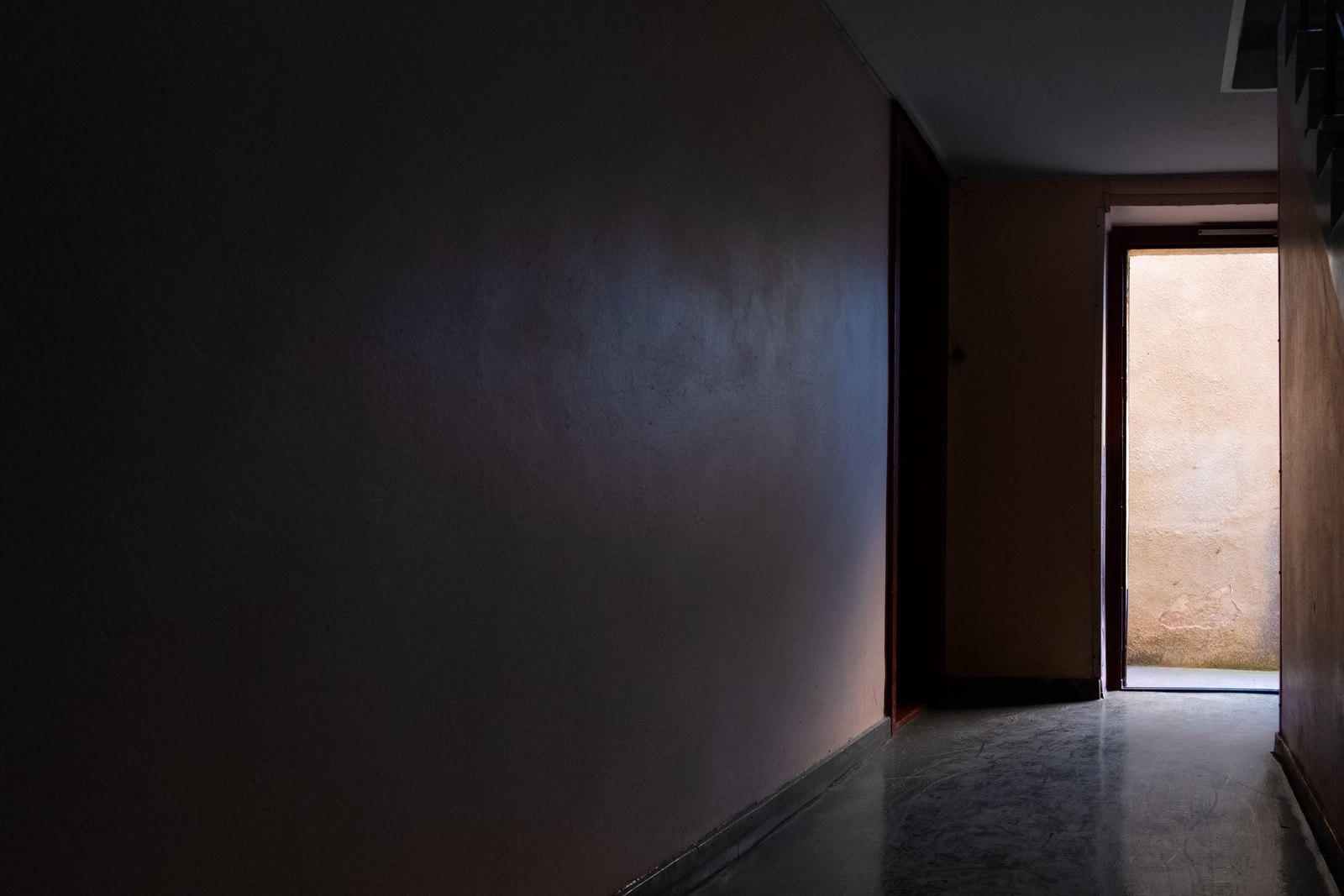
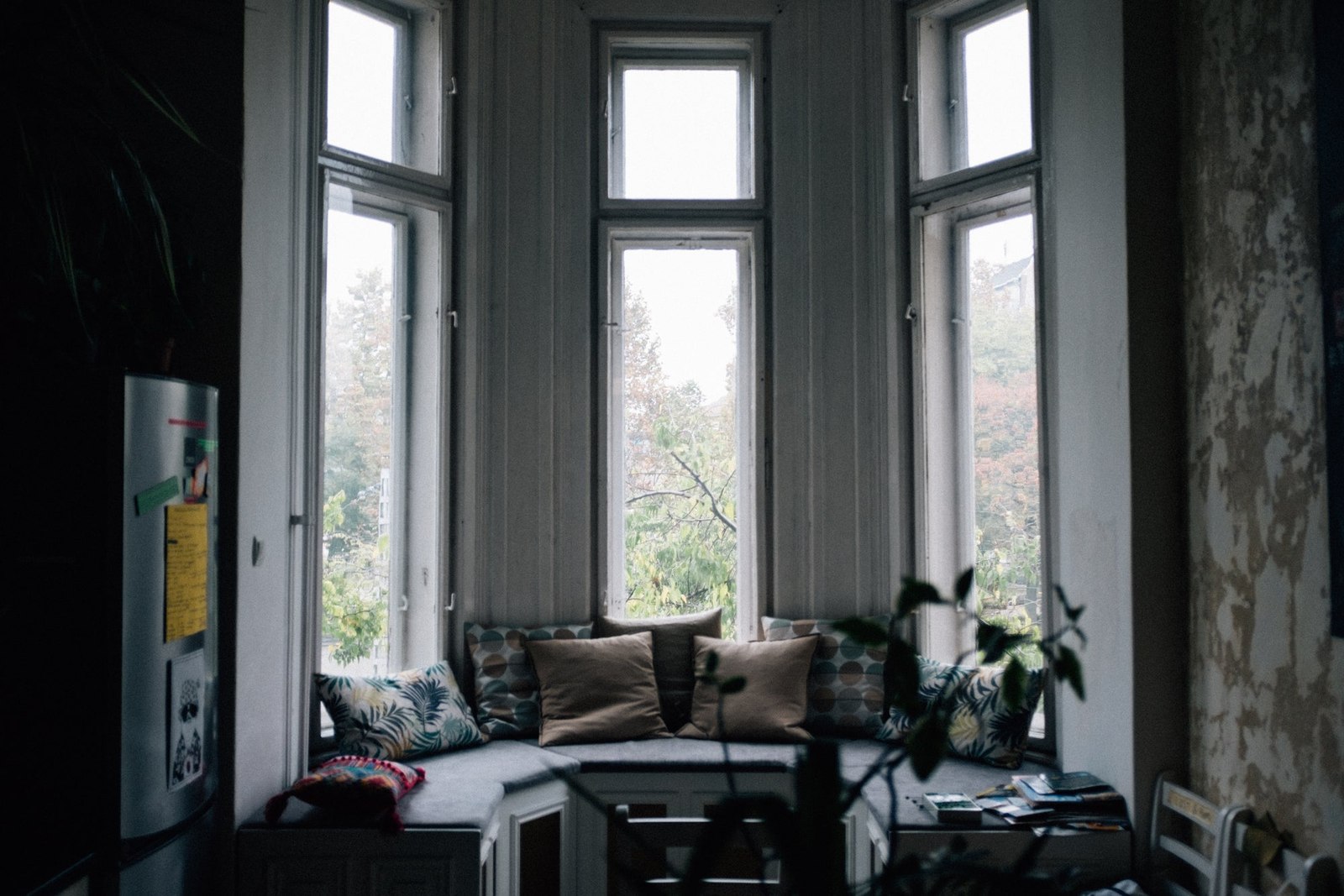
Follow the light before you move the furniture
A room changes through the day. A simple daylight diary can help you find a better place for the things you actually do.
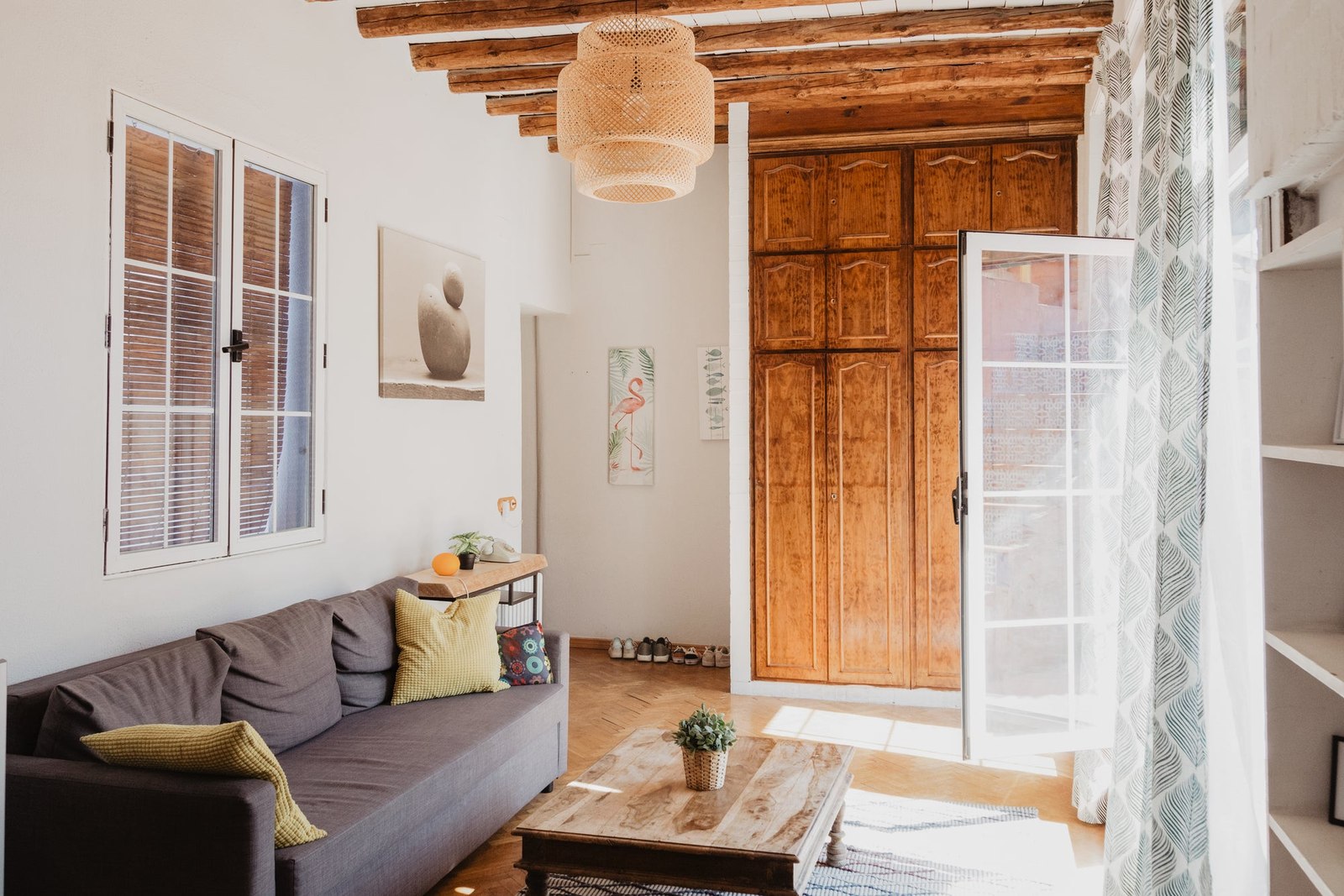
A bright room is easy to admire in a photograph. It is harder to understand over the course of an ordinary day. The patch of sunlight that makes an empty floor look inviting might fall directly across a laptop screen an hour later. A favourite chair may receive excellent light when nobody is home. Before rearranging furniture or choosing a wall colour, it helps to ask a narrower question: where does useful light arrive, and when do you need it?
You can begin without measuring equipment. Make a rough plan of the room, mark its windows and doors, and choose several moments when you would normally use it. The aim is not to produce a professional daylight assessment. It is to connect a visible condition to a real activity, so that a decorating decision has something more dependable behind it than the memory of one pleasant afternoon.
Draw activities before drawing furniture
On a second copy of the plan, write down what happens in the room. Reading, eating, working, resting and moving through it may occupy overlapping areas. Describe the activities honestly. A dining table that holds paperwork most weekdays is also a work surface. A window seat used mainly for storing bags should not be treated as a successful reading place simply because it was designed to look like one.
Now identify what each activity needs from the light. Reading a paper book and watching a screen are different tasks. Preparing something at a table and resting in an armchair involve different lines of sight. Instead of labelling the whole room too dark or too bright, note where a particular task becomes comfortable or awkward. This makes the eventual response more specific.
Notice the bright view as well as the bright surface
Stand where you would actually stand, then sit where you would actually sit. A tabletop can look well lit while a bright window behind it makes the overall view difficult to settle into. Conversely, a room may feel pleasantly balanced even though there is no direct sun on the floor. Describe these observations separately rather than treating a visible sunbeam as the only evidence of good daylight.
Take a few photographs from the same position if that helps you remember the arrangement, but do not let the camera decide how the room felt. Automatic exposure can make a dim interior look brighter or a window view look darker than it appeared to you. A short written note about reflections, visibility and the task you were trying to perform provides context that the image cannot supply alone.
Make a small light diary
Use the room as usual and record a few short observations. There is no need to interrupt every hour. Choose times that matter to your routine, and note whether the day was clear, overcast or changeable. If the weather or season is unusual, say so. A small set of observations can guide a reversible experiment; it cannot establish how the room behaves throughout the year.
- Record the time, the activity and the position you used.
- Mark direct sun, strong reflections and places where you wanted additional light.
- Note curtains, blinds or doors that changed the result.
- Keep questions open when another visit or a different season would be needed.
Orientation, shading and glazing belong together in a larger design decision; a room diary cannot establish a building's energy performance. Its purpose here is simpler. It prevents you from choosing a new layout while ignoring when and how you actually occupy the space.
Try position before specification
Suppose a reading chair receives pleasant light in the morning but becomes uncomfortable in the afternoon. Before buying a new lamp, try changing its angle or moving it a little farther from the window. If the main problem is a reflection on a screen, test the screen's position rather than assuming that every window needs a heavier covering. Change one variable at a time so that you can tell what helped.
This does not mean that a furniture adjustment can solve every lighting problem. It means that a cheap, reversible trial can clarify the question you later bring to a designer, installer or supplier. You may discover that you need a different type of window covering, more flexible task lighting, or simply a clearer division between two activities that compete for the same place.
Keep one useful finding
At the end of the exercise, write one sentence that joins a condition to a decision: the table works better turned away from the afternoon reflection, or the chair belongs where the morning reading actually happens. A useful conclusion is small enough to act on and clear enough to revisit. The room does not need to be equally bright everywhere. It needs to offer the right kind of light in the places where your day unfolds.