The quiet rhythm of a street's windows
With a few rectangles on a page, you can begin to read a facade's patterns without guessing its history.
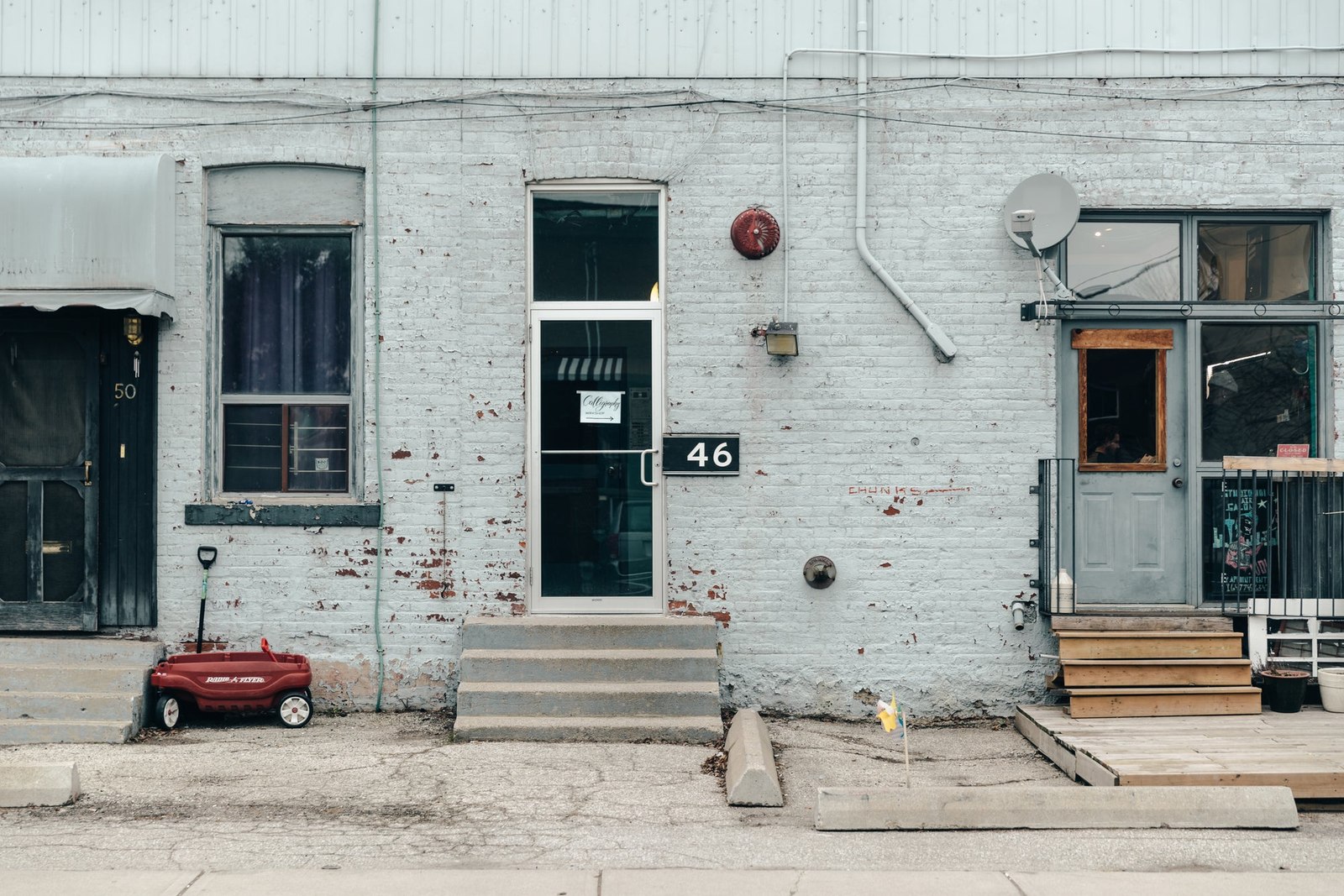
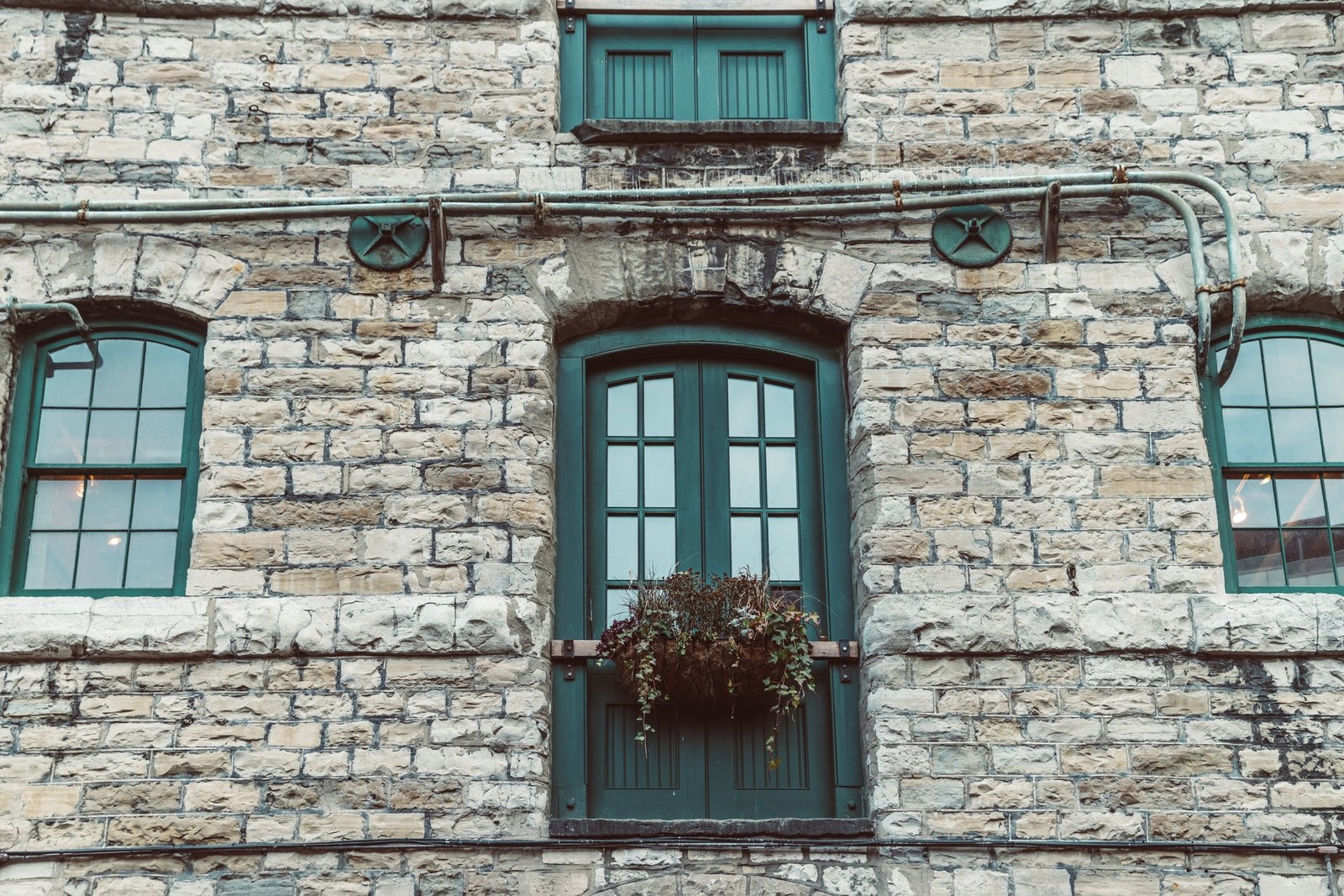
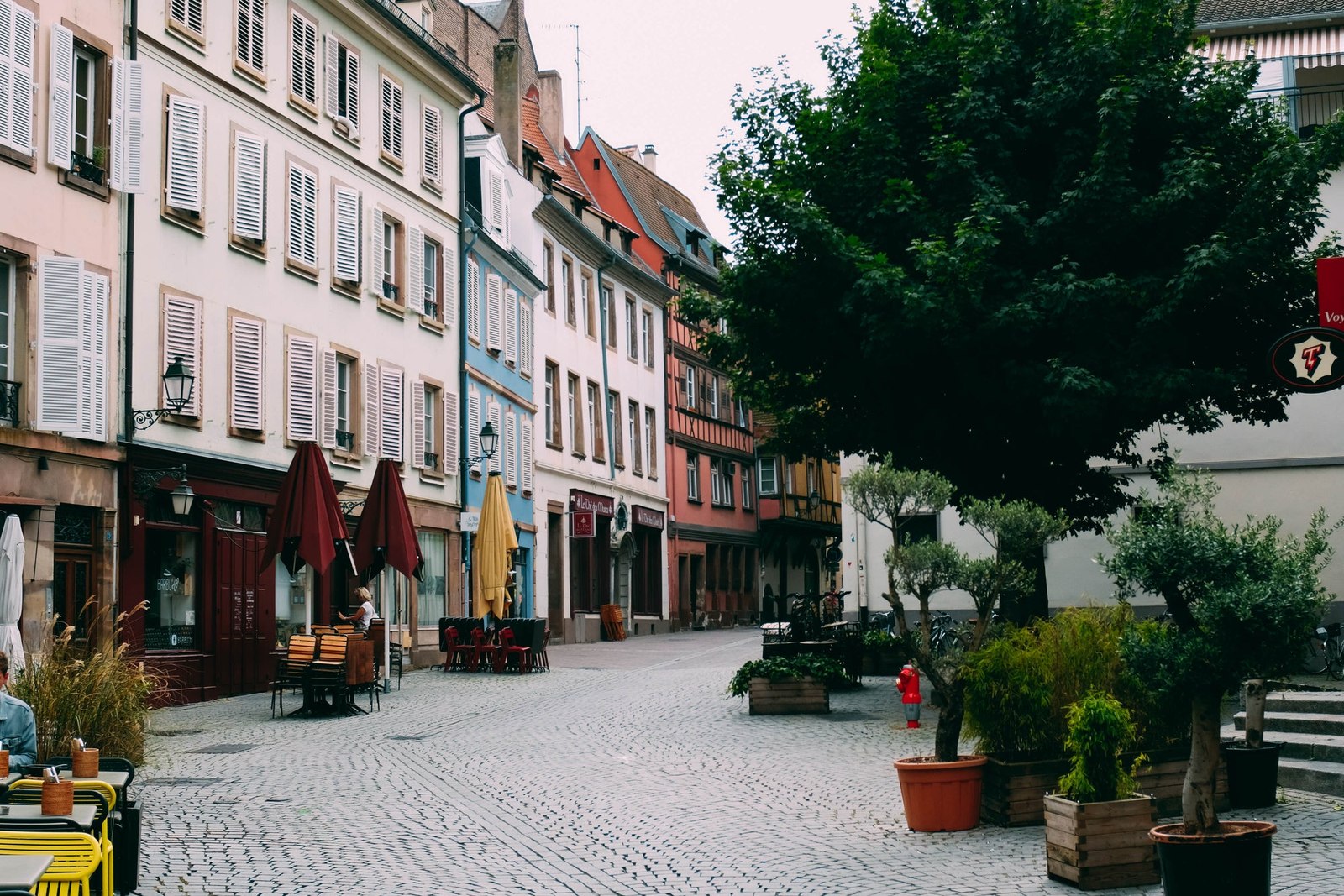
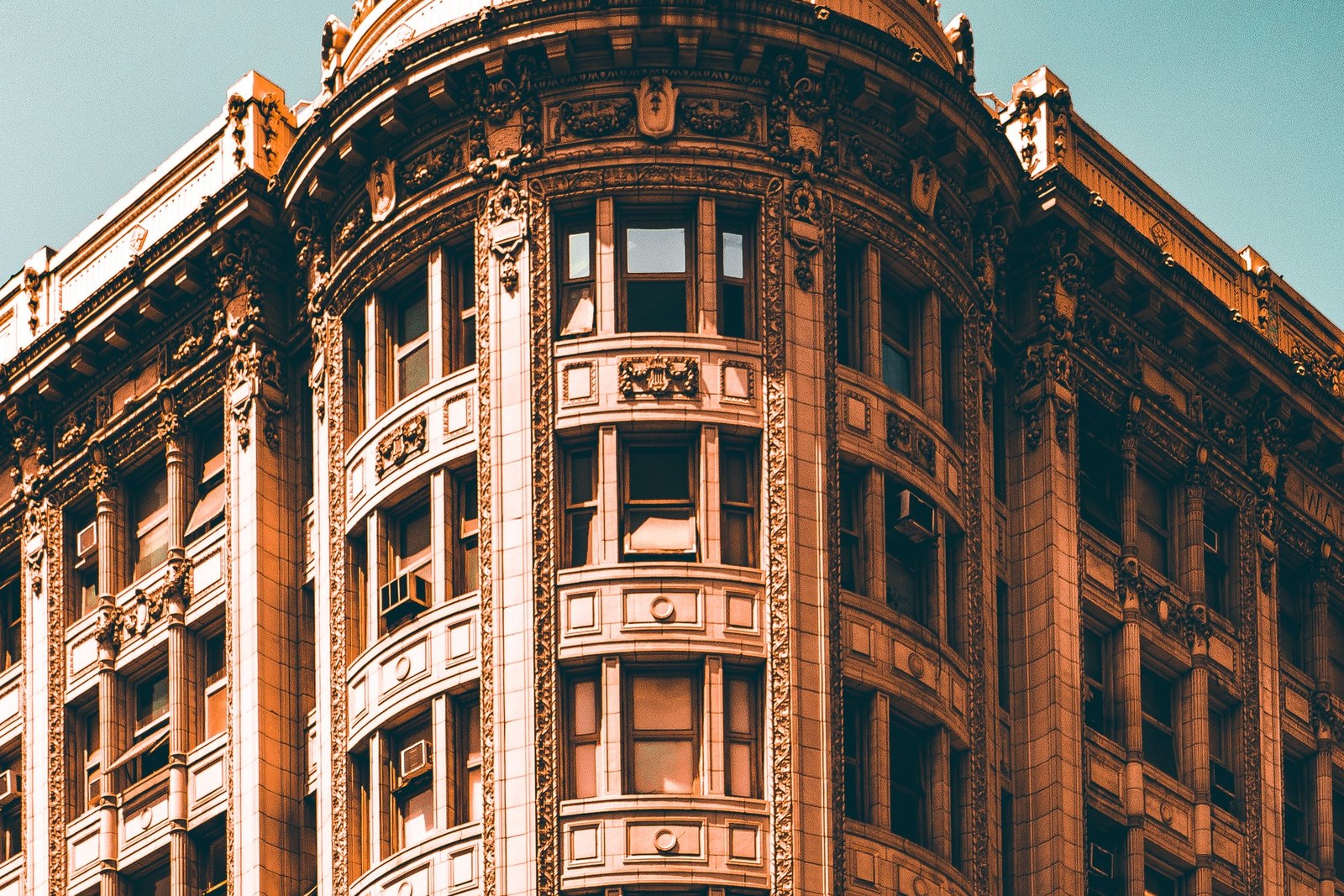
A row of windows can make a street feel ordered long before you have counted a single opening. Then a wider gap, a blank panel or a different ground floor interrupts the beat. Following that rhythm is a way to look carefully at a street without needing to identify an architectural style first. The useful skill is seeing relationships before attaching names.
Begin with a short frontage visible from a safe public position. Choose enough of the street to notice repetition, but not so much that the sketch becomes a survey. A few neighbouring buildings are usually sufficient for this exercise. You are making a reading of a view, not an accurate measured elevation.
Replace detail with marks
Draw each window as a simple dark rectangle. Leave out frames, reflections and decorative surrounds on the first pass. Put a light vertical line where one building appears to end and the next begins. Then ask which windows seem to belong to the same vertical stack and which seem to belong to the same horizontal band.
The marks need not be beautiful. In fact, excessive care over the first rectangle can distract from the pattern across the whole row. Work quickly enough to keep comparing. If perspective makes a distant window look narrower, annotate that limitation rather than correcting it from memory.
You may find that the visual unit is a pair of windows rather than a single opening. Or the stronger beat may come from the solid wall between them. Sketch both readings. Pattern is often a relationship between openings and the spaces they leave, so counting rectangles alone misses half the composition.
Look for a change of register
Ground floors frequently ask to be read differently from the levels above. Shops, entrances, shutters and signs can form a faster or slower sequence. Draw a line between that layer and the upper facade. Notice whether the vertical divisions continue, shift or disappear at the ground.
Do not immediately describe a mismatch as a mistake. A building may be accommodating different uses, and the visible arrangement may have changed over time. Without records, you cannot date the change or assign an original intention. What you can say is that the lower openings do not line up with the upper ones, and explain how this affects the view.
Test the rhythm by walking
A frontal viewpoint can make repeated bays look equally spaced. Walking along the pavement changes that impression. Projecting frames, deep reveals and balconies become more visible; reflected sky becomes a dark interior view or the reverse. The same row can appear to speed up or slow down as the angle changes.
Choose a second public position and make another small sketch. Keep the first rather than improving it into the second. The difference is the point. Label each with where you stood and which way you looked. Two rough drawings with clear viewpoints often explain a facade better than one polished image with no context.
Describe before dating
Words such as regular, paired, recessed, narrow and interrupted tell the reader what you observed. A claim about century, architect or movement requires another kind of evidence. A familiar window shape can survive through repairs, later additions and deliberate imitation. Appearance alone is a poor substitute for documentary research.
If you want to investigate history, start a separate column for questions. Is the ground floor altered? Does a public heritage record identify the building? Are dated photographs available? Keep those questions open until a reliable record answers them. Do not let a plausible historical story quietly harden into the caption beneath your sketch.
End with one useful comparison
Choose the strongest relationship you found: the upper windows form pairs while the shops below form single wide openings; a blank bay interrupts an otherwise regular row; a deep reveal becomes more noticeable from the side. Describe it in two sentences and connect it to a viewpoint. You have now made an observation another person could go and assess.
This method also helps when looking at an interior elevation or choosing how to arrange objects on a wall. It trains attention towards intervals, groups and exceptions. But there is no obligation to turn the walk into a decorating rule. Sometimes the value is simply finding that an ordinary street contains several overlapping rhythms, and that you can begin to read them with a pencil and a little patience.