Street Notes
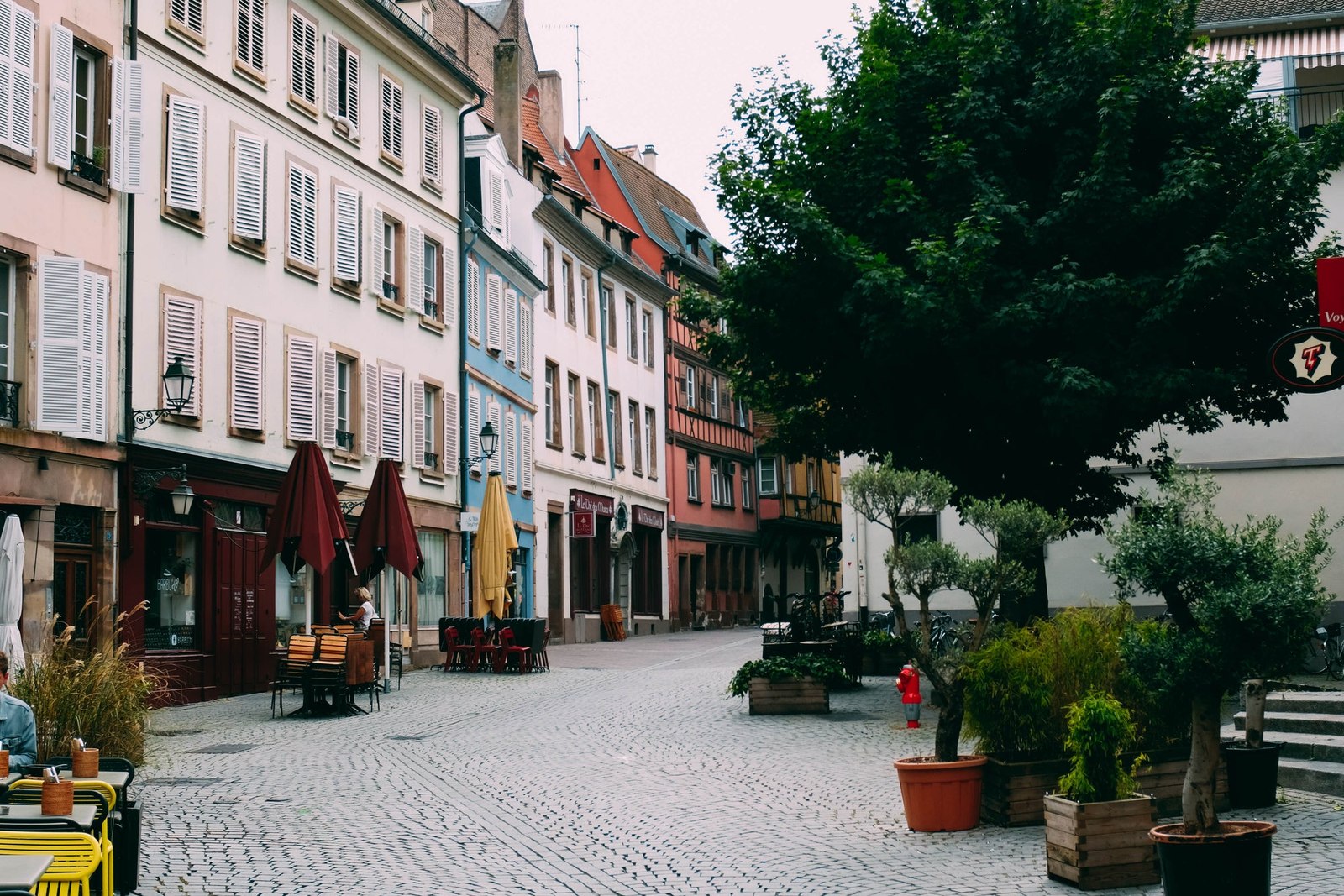
The small journey from pavement to door
An entrance unfolds in stages. A public-side observation exercise follows the information that appears along the way.
A slower look at ordinary streets. Read their edges, rhythms and the journeys that connect them.
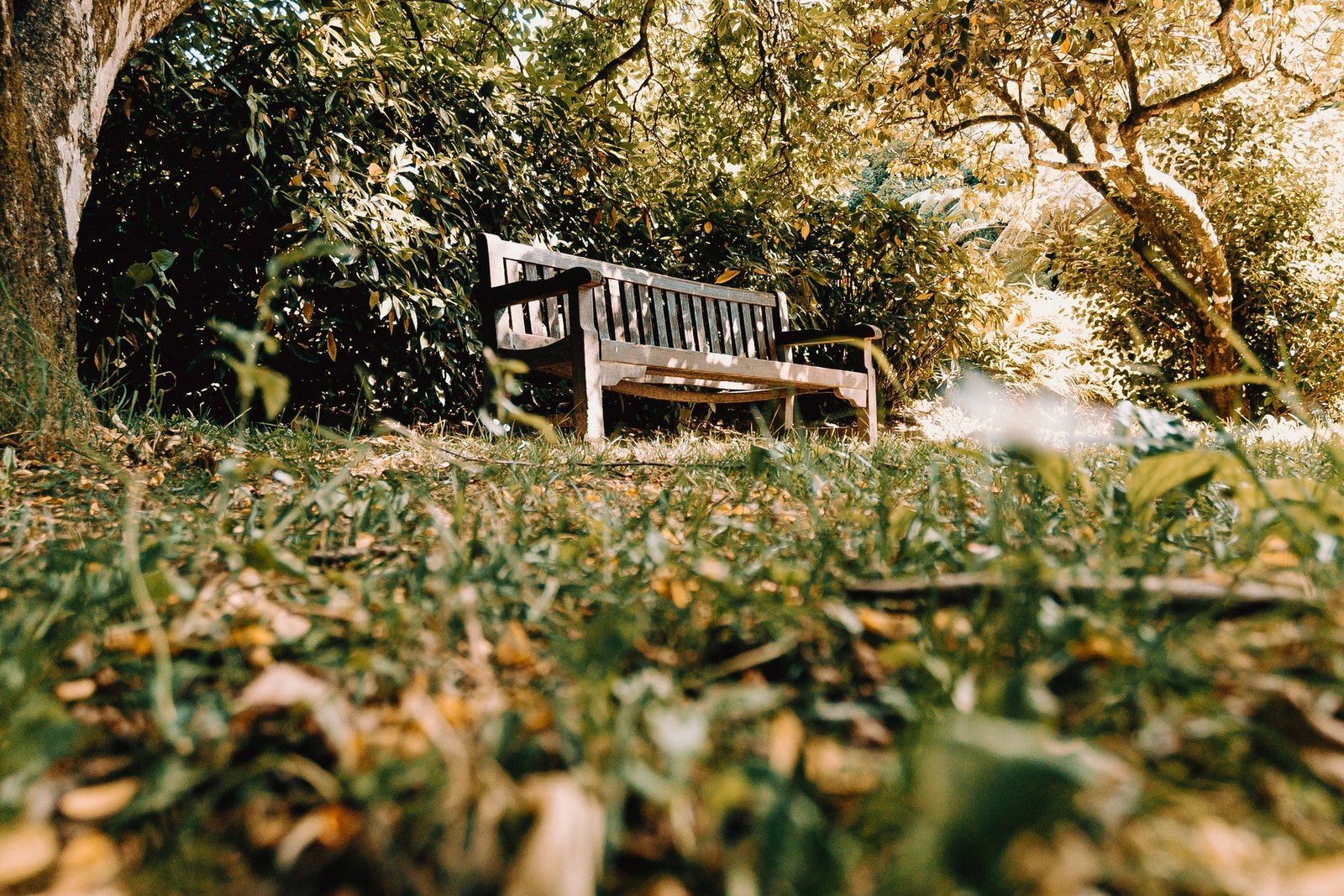
A seat is only part of the story. Permission, weather and the passing route decide whether a small stopping place can work.

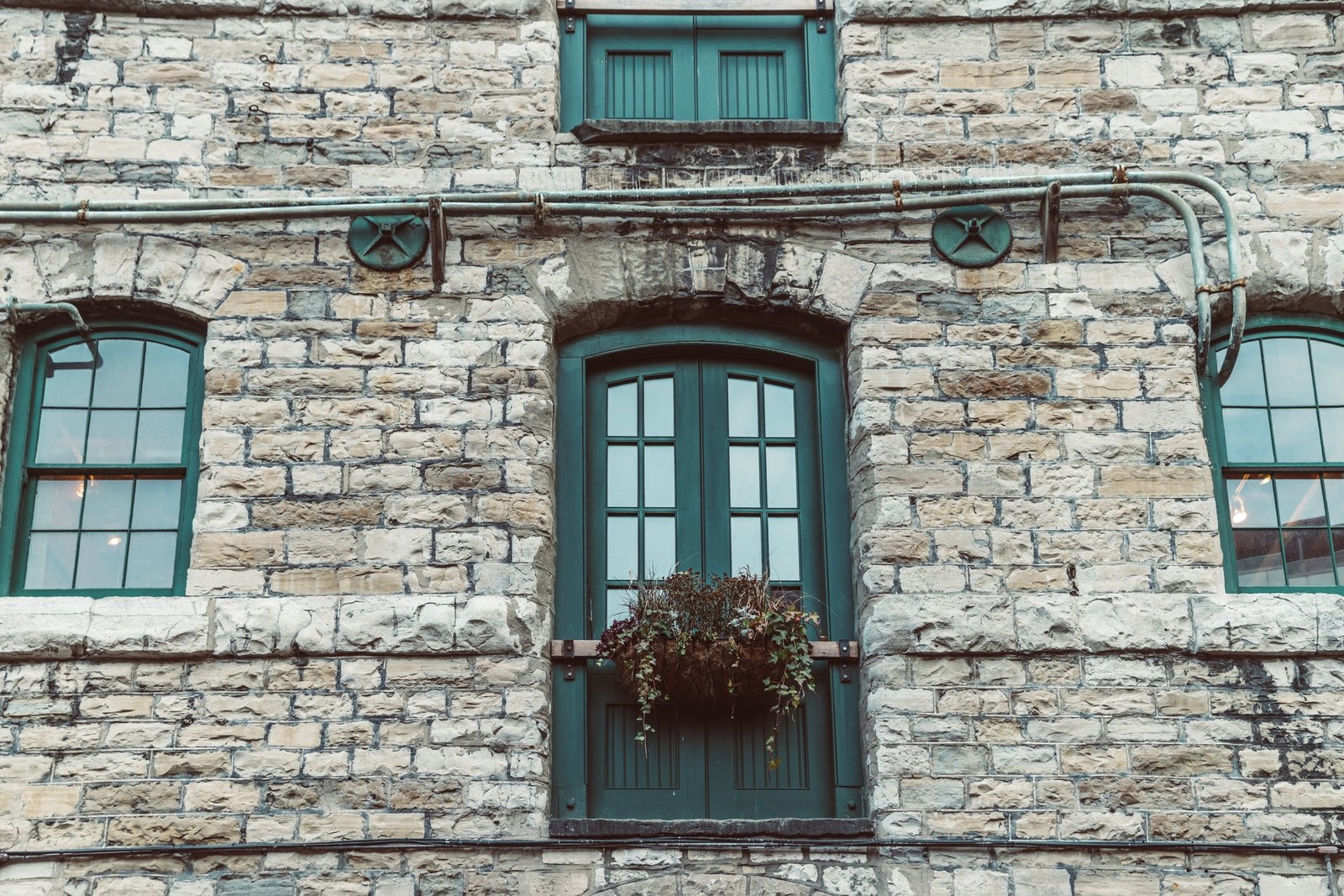
With a few rectangles on a page, you can begin to read a facade's patterns without guessing its history.

A corner building changes as you move. Three small sketches reveal the relationship between a landmark and your route.
A useful neighbourhood route includes places to stop. Make a personal map of access, comfort and alternatives.