Follow the light before you move the furniture
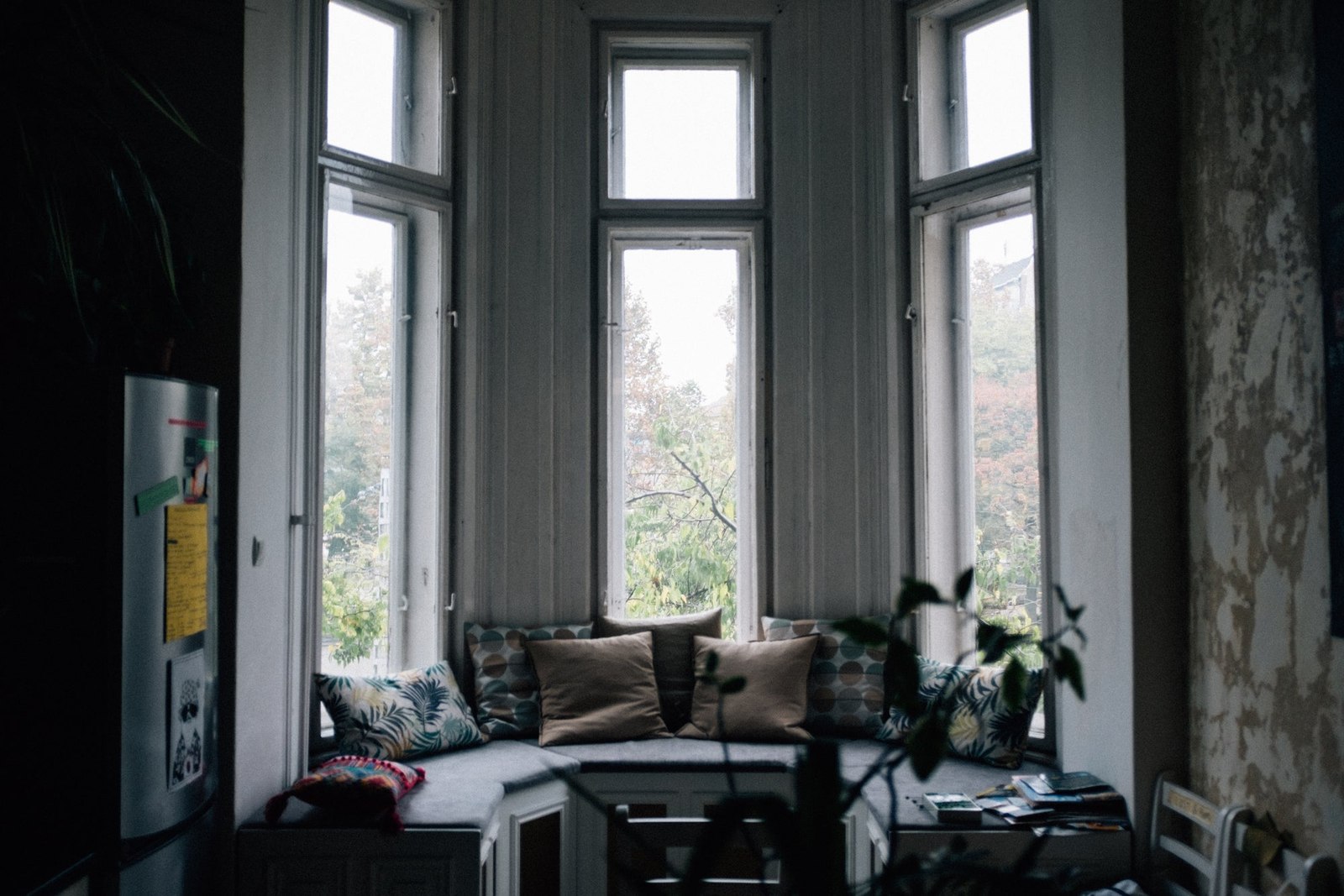
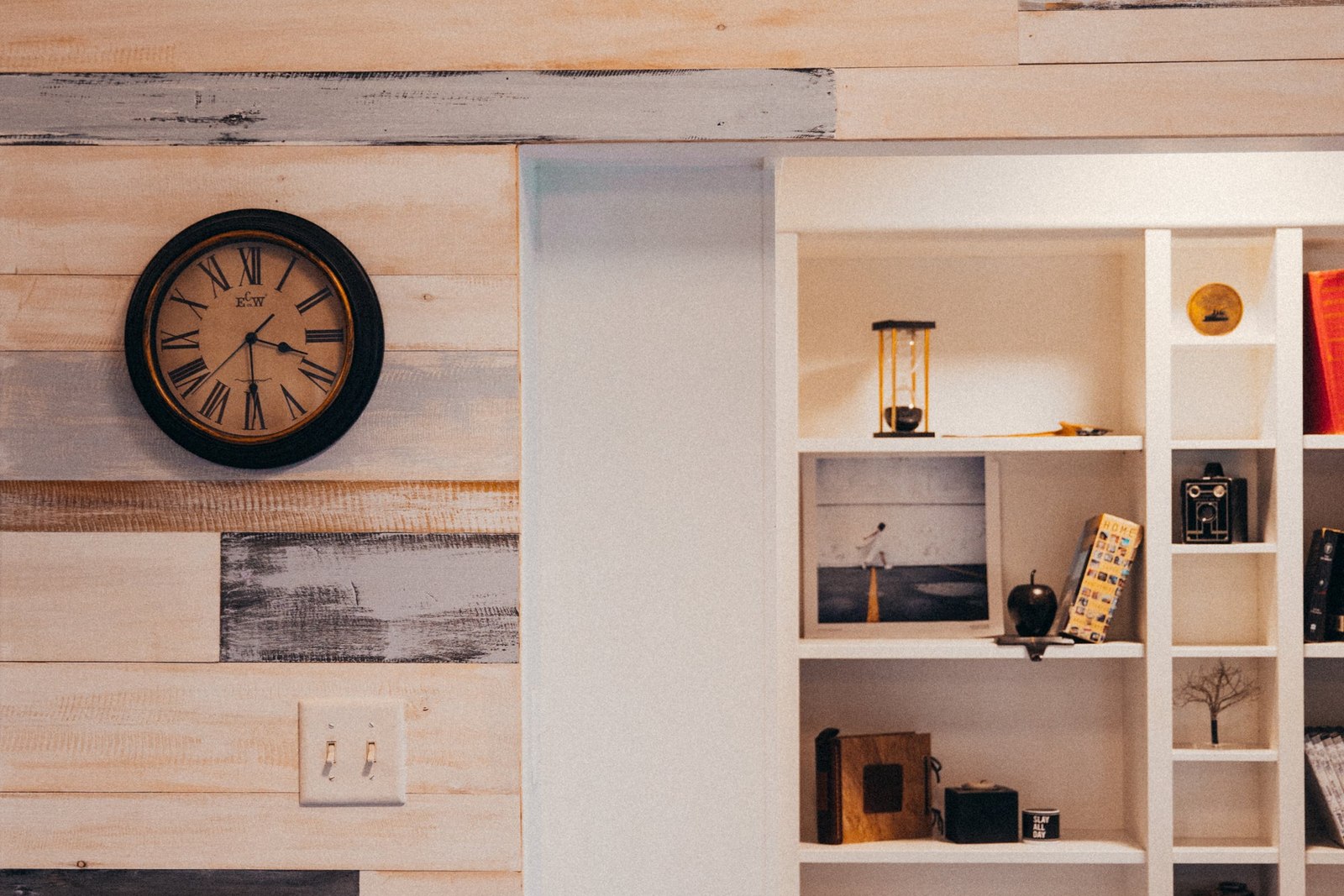
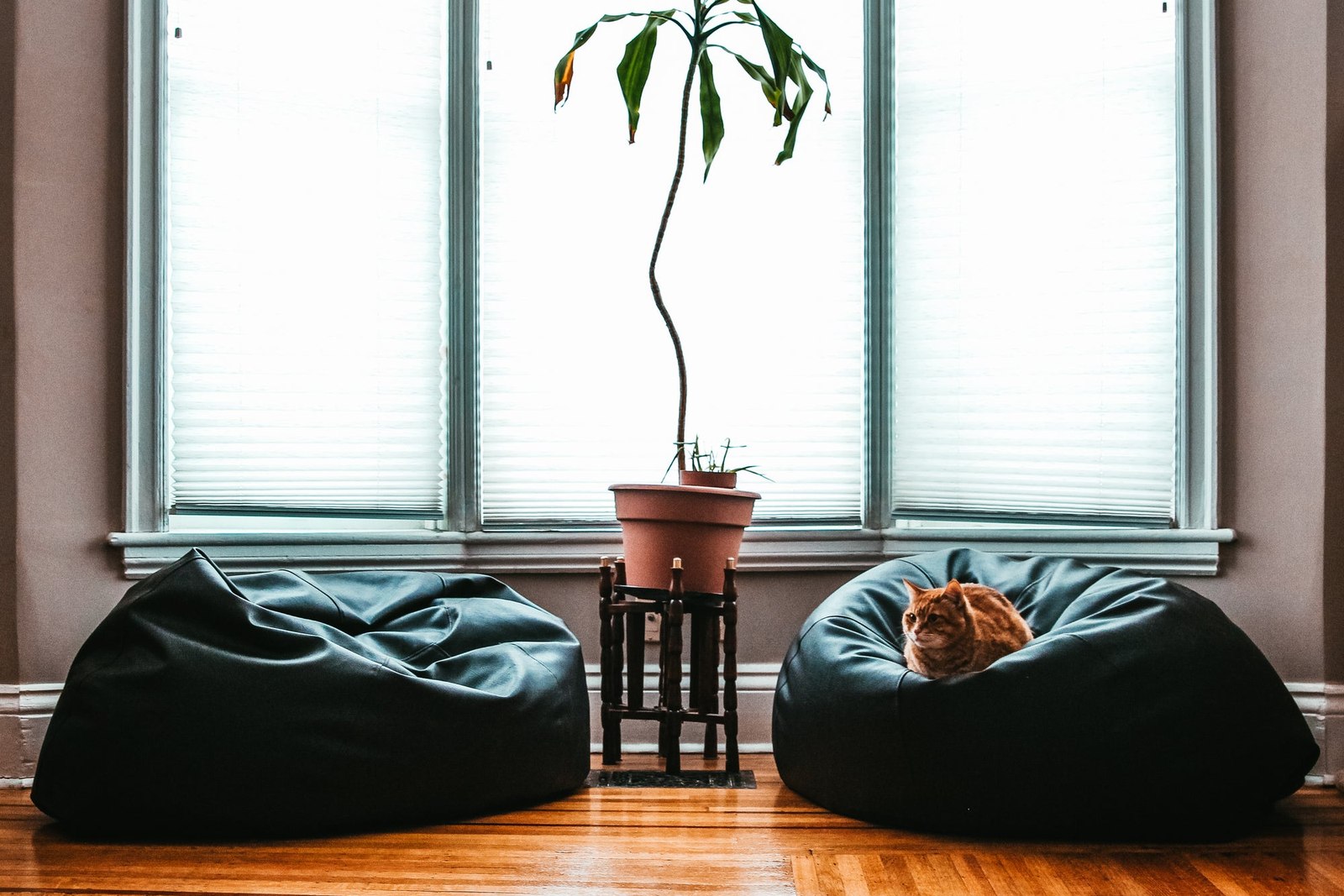
A room changes through the day. A simple daylight diary can help you find a better place for the things you actually do.
Twenty ways to see familiar places a little differently.
20 stories
Try a broader search or choose another section.
A room changes through the day. A simple daylight diary can help you find a better place for the things you actually do.

An opening between rooms changes more than brightness. Consider the views, privacy and neighbouring space that come with it.
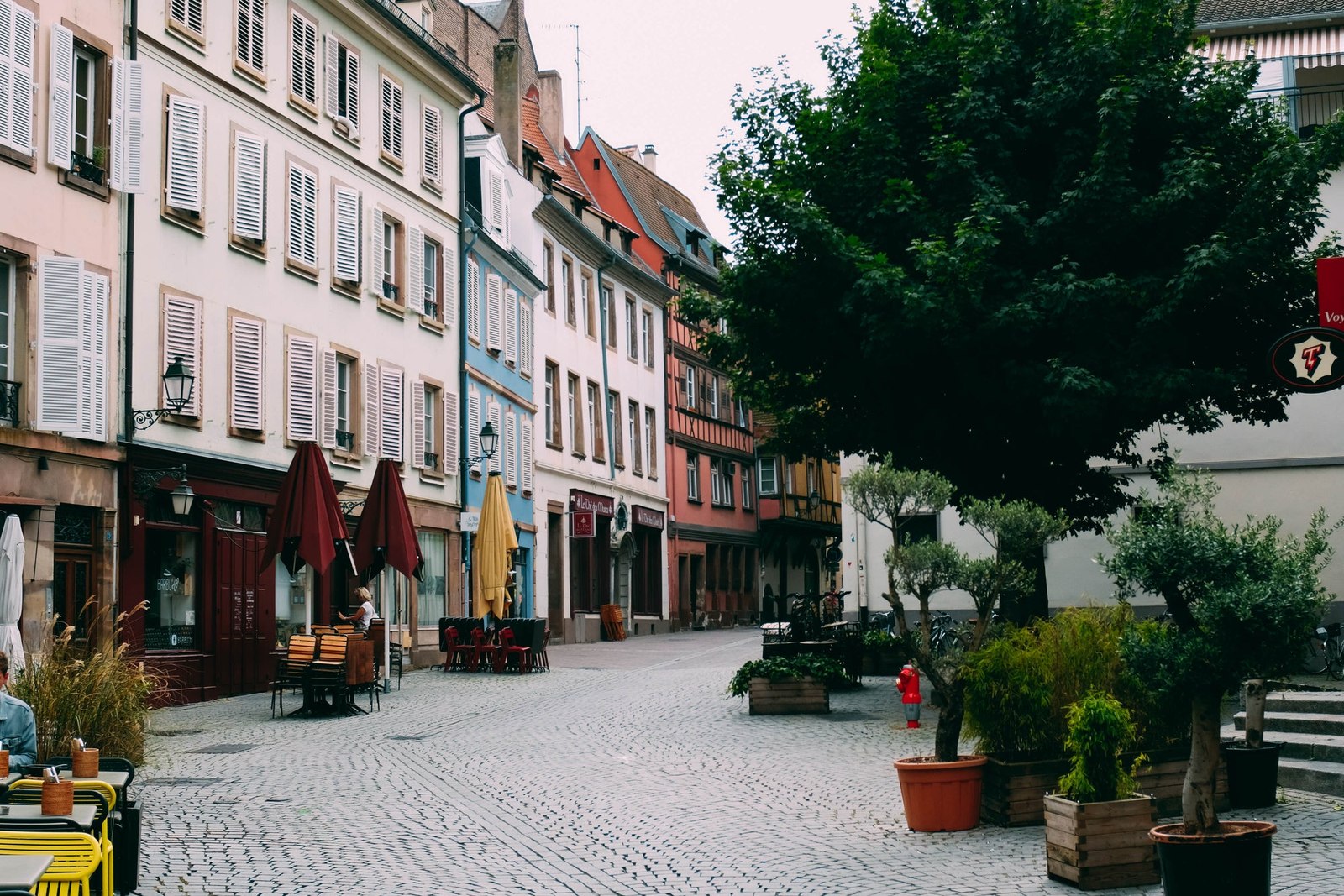
Look beyond the empty centre. Boundaries, crossings and views from inside give an outdoor room its everyday character.
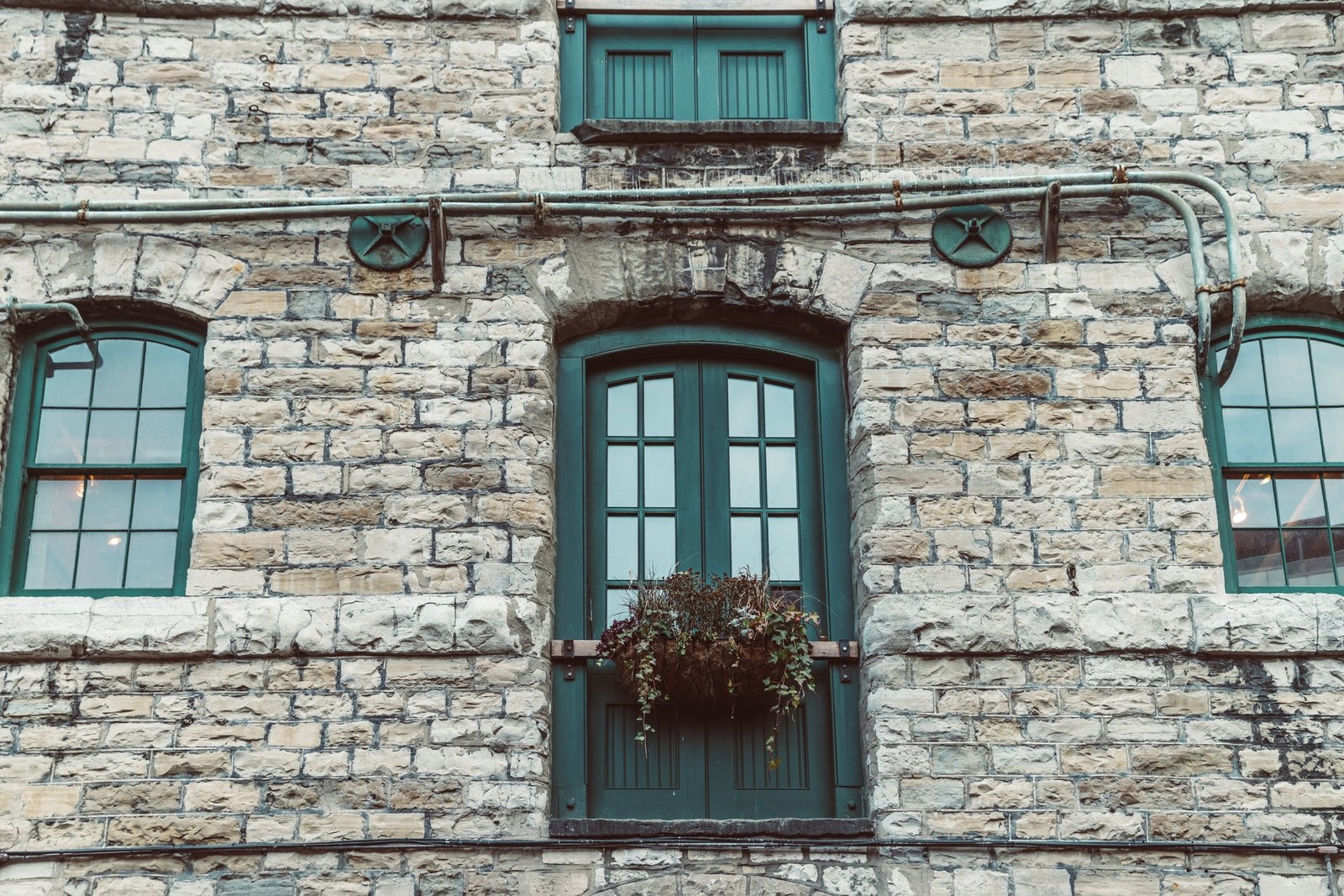
A window has depth as well as a view. Reading its reveal brings a neglected architectural detail into focus.
Even brightness is not every room's ambition. Start with the activity, then decide where light and shade belong.
The joints help give a wall its scale and texture. Learn to describe what you see without turning a glance into a diagnosis.
Move past the beautiful sample board. Give each surface a job, a proportion and a place where it meets something else.
Wear can be welcome without every mark being harmless. A thoughtful material choice includes its future care.
Appearance is a starting point, not a material specification. Separate the finish from what lies underneath before planning a change.
A change can work today and leave useful choices for tomorrow. Think about removal, repair and the record you leave behind.
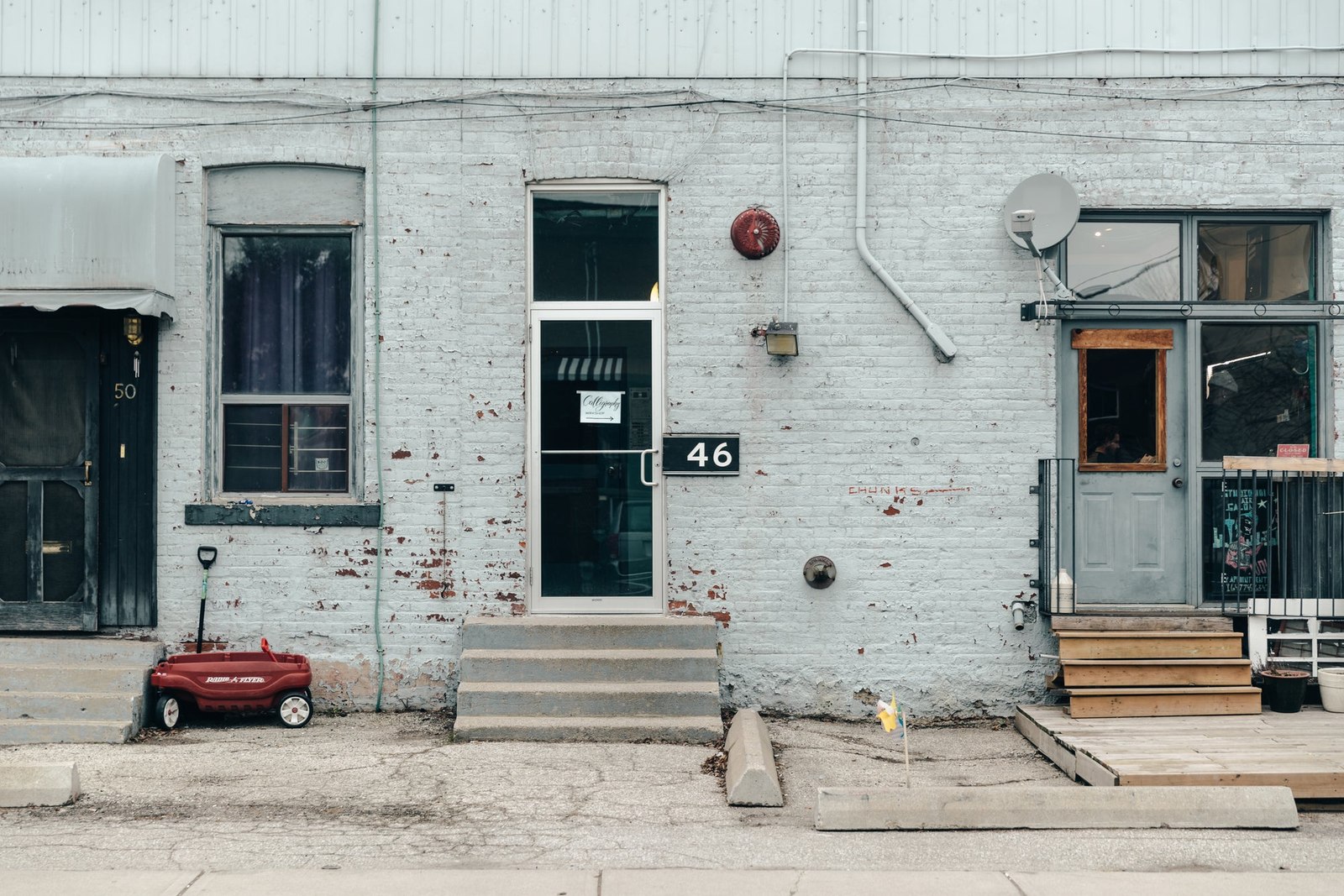
An entrance unfolds in stages. A public-side observation exercise follows the information that appears along the way.
A seat is only part of the story. Permission, weather and the passing route decide whether a small stopping place can work.
With a few rectangles on a page, you can begin to read a facade's patterns without guessing its history.
A corner building changes as you move. Three small sketches reveal the relationship between a landmark and your route.
A useful neighbourhood route includes places to stop. Make a personal map of access, comfort and alternatives.
A layout is more than a set of objects that fit. Follow everyday journeys to find the interruptions a floor plan can hide.
Before choosing another storage unit, look at the small sequence of putting down, closing, removing and arriving.
Work, meals and unfinished projects can share a surface when each has a way to hand the space to the next.
Quiet can mean less noise, fewer interruptions or a calmer view. Find the change your reading hour actually needs.
Use a reversible layout experiment to turn a vague wish for new furniture into a decision grounded in everyday use.